What Is the Rideshare Insurance Gap — And Why It Could Cost You Everything
Informational / Problem-aware

What Is the Rideshare Insurance Gap — And Why It Could Cost You Everything

A clear guide to the hidden gaps between personal auto policies and rideshare coverage. Learn what protections you truly have while you drive, when coverage shifts, and how to avoid costly lapses.

Rideshare driver portrait in a cityscape
Policy clarity in one place

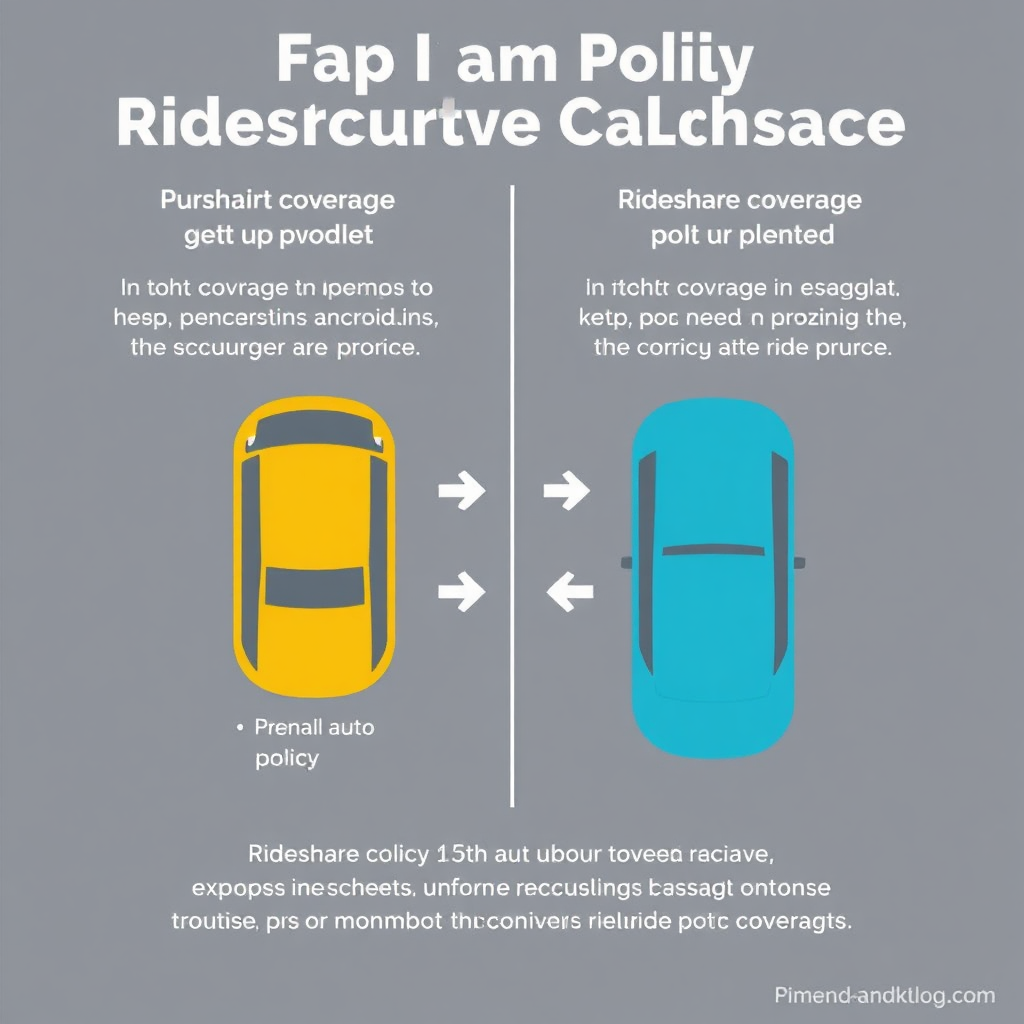
Gap Explained: Personal Auto Policy vs. Rideshare Coverage

When you drive for a rideshare app, your personal auto policy often has a blind spot. There are moments when your policy may not fully protect you—such as while the app is waiting for a ride or between trips. This gap can leave you financially exposed if an accident occurs or if a claim arises during those windows.

  • 1 Personal auto policies typically do not extend to rideshare activity during app-on.com muting times.
  • 2 Rideshare platform coverage often only applies once a trip is accepted and the driver is en route.
  • 3 The overlap between policies matters for liability, medical, and property damage. Missing it can cost you dearly.
Coverage layers diagram
Risk Scenarios

Common driving moments and where coverage may fall short

App Active Trip in progress

Trip in progress visual

If you’re actively transporting a rider, coverage can shift between personal policy gaps and platform protections.

high risk

Waiting Between rides
Waiting for next ride visual

Between trips, your protection may revert to your personal policy limits, which often don’t cover rideshare-specific exposure.

time window

Off-duty Off-app
Off-duty scenario visual

Even when not actively driving, misalignment between policy and rideshare activity may create exposure if a claim relates to a prior trip window.

exposure risk
Options to close the gap

Practical steps to protect yourself on every ride

Consider endorsements and policy checks that explicitly cover rideshare activity. Streamline verification and ensure continuous protection through every stage of a trip.

  • Personal policy endorsement that explicitly covers rideshare-related activity.
  • Rideshare-specific policy or a rider-safety plan from a provider that understands trip windows.
  • Ask for a straightforward coverage map showing when each policy applies and what claims look like.
Quick Start Steps
  1. Review current coverage: personal policy, rideshare summaries, and platform protections.
  2. Identify gaps: when app is on, when waiting, and between trips.
  3. Choose options and request quotes from providers with explicit rideshare coverage.
Get Quotes No spam. Instant results.
Myth Busting

Common myths debunked

Real-world impact matters. Separate fact from fiction to keep you protected when it counts.

“Your personal auto policy may not cover you during rideshare activity, and relying on it can leave you underinsured when a claim arises.”

In practice, many drivers discover gaps only after an incident. The smarter choice is proactively aligning coverage with rideshare activity.

Get Protected

A quick-start plan to close the gap

Follow these steps to align your coverage with your rideshare activity. It’s designed to be transparent and actionable.
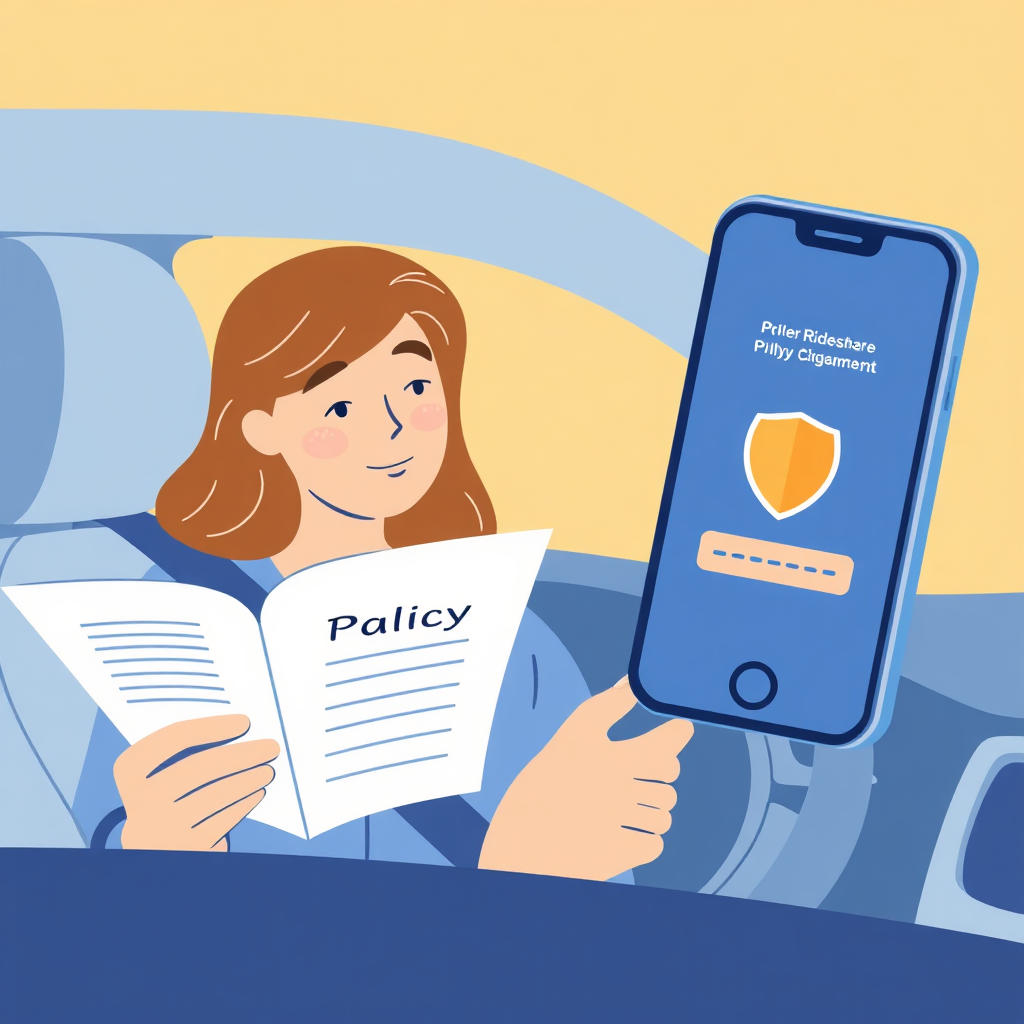
  1. Assess your current policies and identify gaps with a quick coverage map.
  2. Choose a rideshare endorsement or carrier offering explicit protection for app-on and waiting periods.
  3. Request quotes and compare coverage, limits, and premiums side-by-side.
View Quotes Estimated time: 5–7 minutes
Visual guide to coverage alignment
© 2026 Rideshare Shield. All rights reserved. Privacy Terms