The 3 Driving Periods Explained: When Uber and Lyft Insurance Actually Applies
Insurance coverage for rideshare drivers unfolds across three distinct moments: when the app is on but no trip is active, when a trip is accepted and en route, and when a rider is onboard. This guide clarifies who pays for what in each period and where drivers should expect gaps or protections. Understanding these periods helps drivers minimize risk and maximize confidence on every shift.
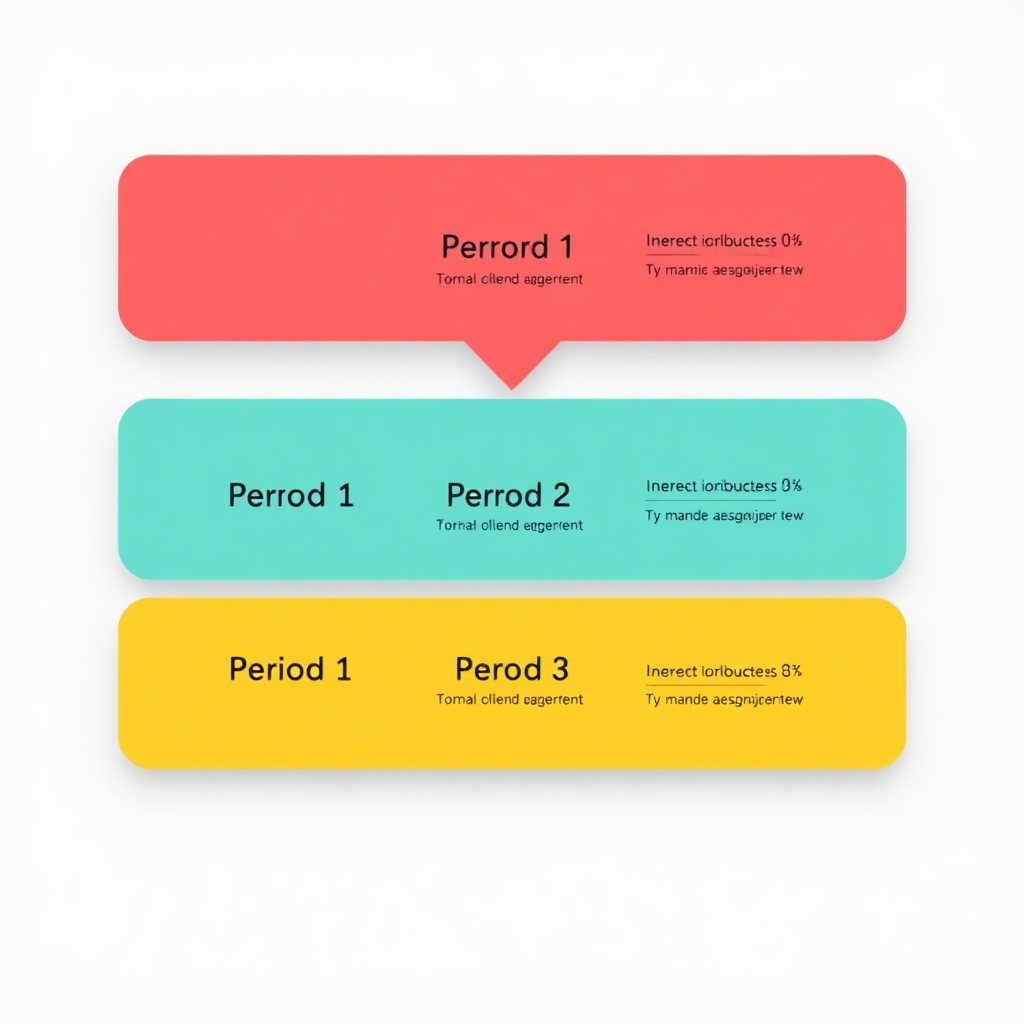
Three periods, three layers of protection
App on, no trip yet
When the rideshare app is on but no trip has been accepted, coverage is often limited. Your personal auto policy remains a primary safeguard, with some apps offering contingent liability for incidents that occur while you’re connected to the platform. Expect gaps in collision or comprehensive protection unless you carry a separate policy designed for rideshare exposure.
Trip accepted, en route
Liability coverage from the rideshare platform typically becomes primary during the trip. This period covers injuries and property damage to others and may include passenger medical payments. Your personal auto policy still matters for certain gaps, but in many cases it steps back when the trip is active and the app indicates you’re en route.
Trip in progress, rider onboard
With a rider in the vehicle, primary liability coverage generally remains in place, and insurers may extend protections for medical payments, uninsured motorist coverage, and property damage up to stated limits. Review how these limits interact with your personal policy, and note any exclusions that could affect coverage in the event of a gap or dispute.
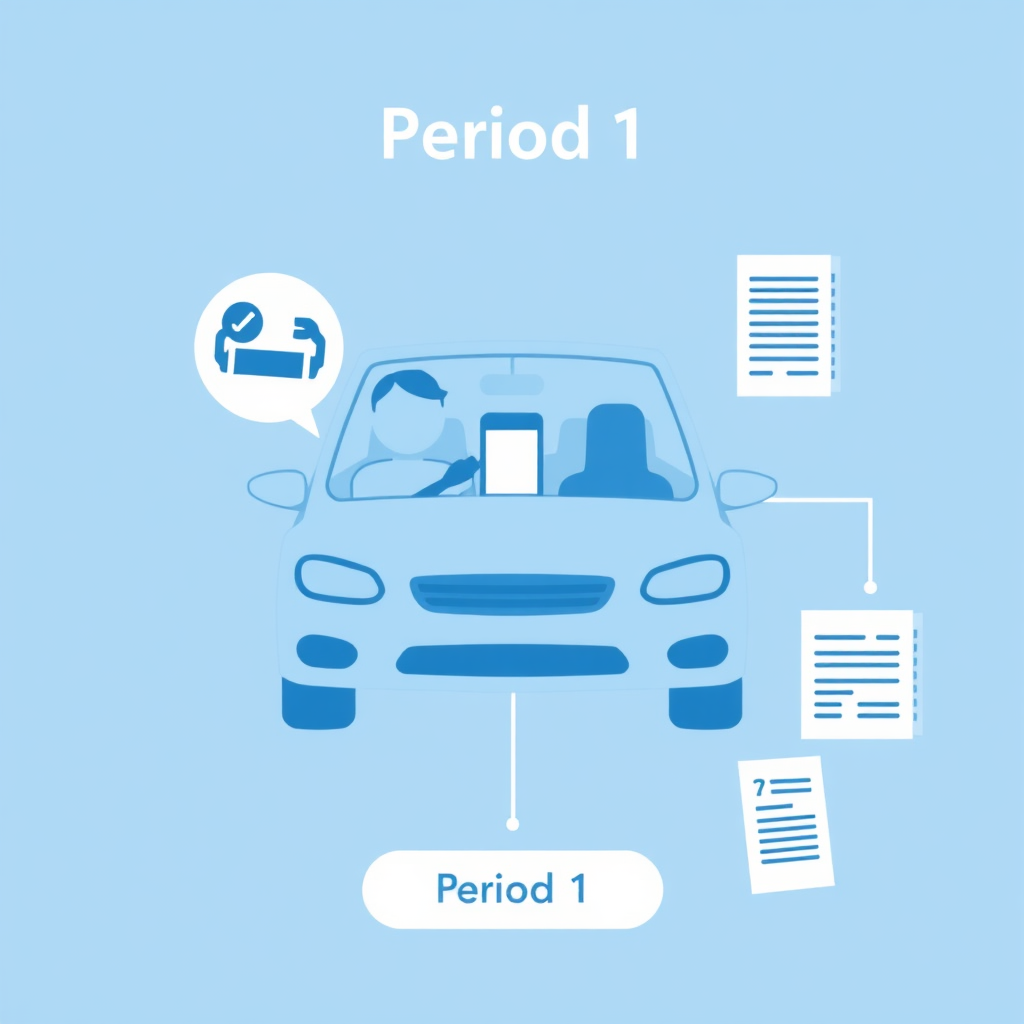
Period 1 — App on, no trip yet
For most drivers, Period 1 is the calm before the trip. If you have the rideshare app open and are waiting for a ride, your personal auto policy remains the first line of defense. The rideshare carrier often provides contingent liability coverage during this window, but the coverage tends to be narrower and can rely on state-specific rules. It’s essential to understand that physical damage protection is typically not in force unless a trip has begun or you hold a separate, rideshare-specific policy.
- Contingent liability coverage may apply if you’re engaged with the platform.
- Your personal policy often remains primary for bodily injury and property damage to others during this stage.
- Collision or comprehensive protection is uncommon in this window unless you carry extra coverage.
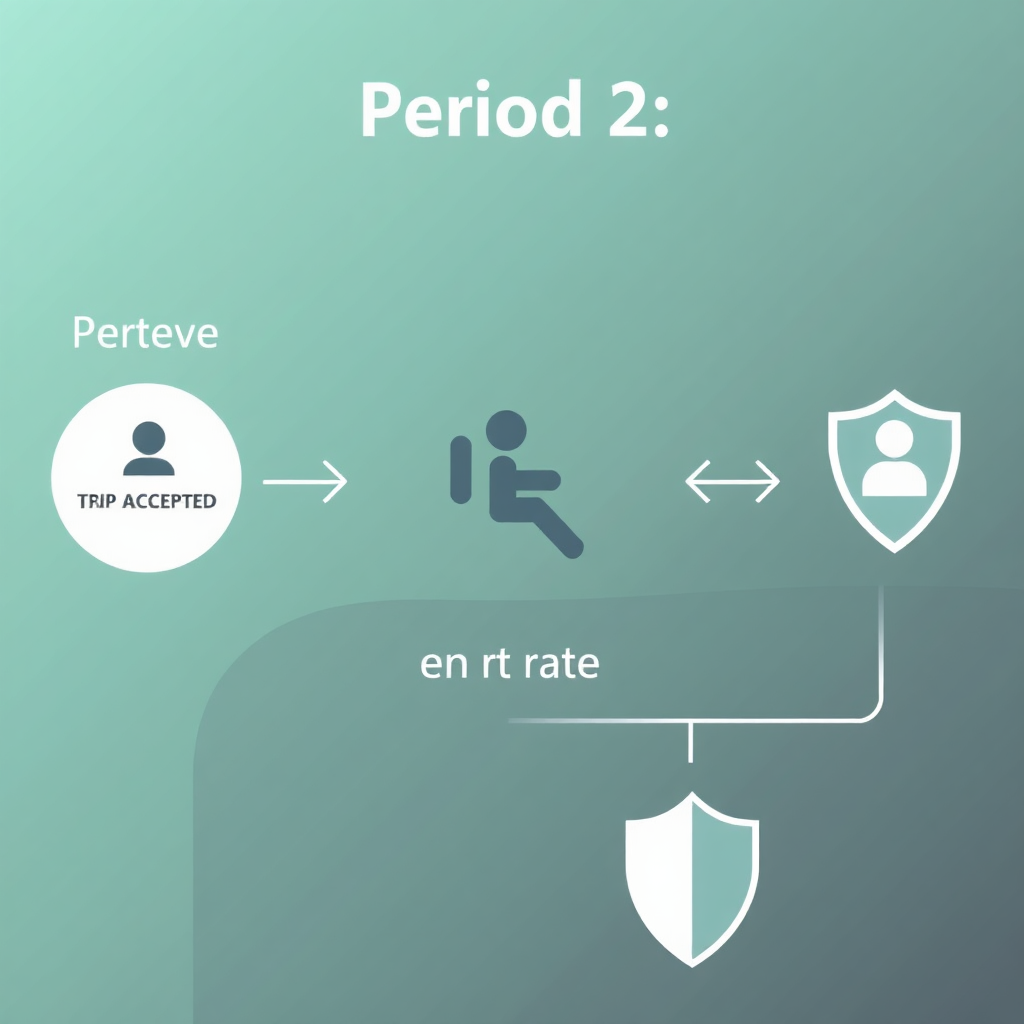
Period 2 — Trip accepted, en route
The moment you’ve accepted a ride and are en route, coverage dynamics shift. Rideshare liability protection typically takes the lead, aiming to cover injuries or damages to others as you transport a rider. The driver’s personal policy may still matter for certain gaps, and there can be limitations on what is covered if the trip exceeds certain terms or if a policy excludes operating in rideshare mode. It’s crucial to confirm your state’s requirements and how your personal policy interacts with app coverage.
- Platform liability often becomes primary during the trip window.
- Medical payments for riders may be included and limits vary by provider.
- Know where gaps could occur if another party is involved or if a collision occurs with a third party.
Period 3 — Trip in progress, rider onboard
When a rider is in the vehicle, protections expand to mirror the active trip, including primary liability coverage and potential medical payments for the rider. The specifics depend on the insurer, regional regulations, and the driver’s existing policies. Drivers should monitor for any exclusions in their policies and maintain records of trips, as these details can influence how coverage applies in the event of a claim.
- Liability coverage remains in force as you transport a passenger.
- Medical payments and additional protections may apply to riders depending on the plan.
- Confirm interaction between rideshare coverage and your personal policy for any gaps or disputes.
Period-by-period coverage at a glance
- Primary liability (periods 2 & 3)
- Contingent/secondary coverage
- Gaps or exclusions
Limited coverage while the app is on but no trip is accepted. Personal policy is often primary; contingent rideshare coverage may apply in some regions, depending on the provider and local rules.
During an en route trip, the rideshare policy often acts as the primary liability provider. Limits and inclusions vary; personal policies may step in for certain gaps or if a claim falls outside the platform’s coverage.
Rider onboard, protection remains in effect with primary or enhanced layers, depending on policy and jurisdiction. Medical payments and passenger protections may apply differently than in Period 2.
Takeaways and quick references
Key takeaways
- The three driving periods shape who pays for what, and when. Period 1 emphasizes what gaps may exist before a trip starts. Period 2 elevates the platform’s liability coverage as soon as a trip is accepted. Period 3 maintains rider protections while the trip is in progress.
- Always verify how your personal auto policy interacts with rideshare coverage in your jurisdiction. Plan for gaps and be prepared with proper policy endorsements if needed.
- Use the diagram and the table as a quick reference during shifts to understand coverage expectations in real time.
Quick pointers
- Know your state’s rules about rideshare insurance periods and required endorsements for drivers.
- Keep records of trips, incidents, and policy documents to support claims or inquiries.
- If you have concerns about coverage gaps, discuss policy options with your insurer or seek rideshare-specific coverage.
For deeper dives, see Articles 2 and 5. These sections provide policy nuances, state-by-state variations, and practical steps to align your personal coverage with rideshare protections.