
When Can Gig Workers Enroll in Health Insurance? Special Enrollment Explained
Special Enrollment Explained

When Can Gig Workers Enroll in Health Insurance? Special Enrollment Explained

For freelancers and gig workers, life moves fast—and so do health coverage needs. Learn how Special Enrollment Periods (SEPs) work, what events qualify, and how to enroll outside Open Enrollment without delay.

What is a Special Enrollment Period (SEP) for gig workers?

A Special Enrollment Period is a limited window that lets you enroll in a health plan outside the standard Open Enrollment period. For gig workers—whether you recently started freelancing, experienced a job change, or moved to a new state—the SEP makes it possible to secure coverage when your circumstances change. Coverage options include plans sold through the Health Insurance Marketplace (or your state marketplace) and access to subsidies if you qualify based on income.

In practice, SEPs are designed to reflect the realities of unpredictable income and employment. If your situation changes in a way that affects your eligibility for subsidies or your access to minimum essential coverage, you may be granted a SEP.

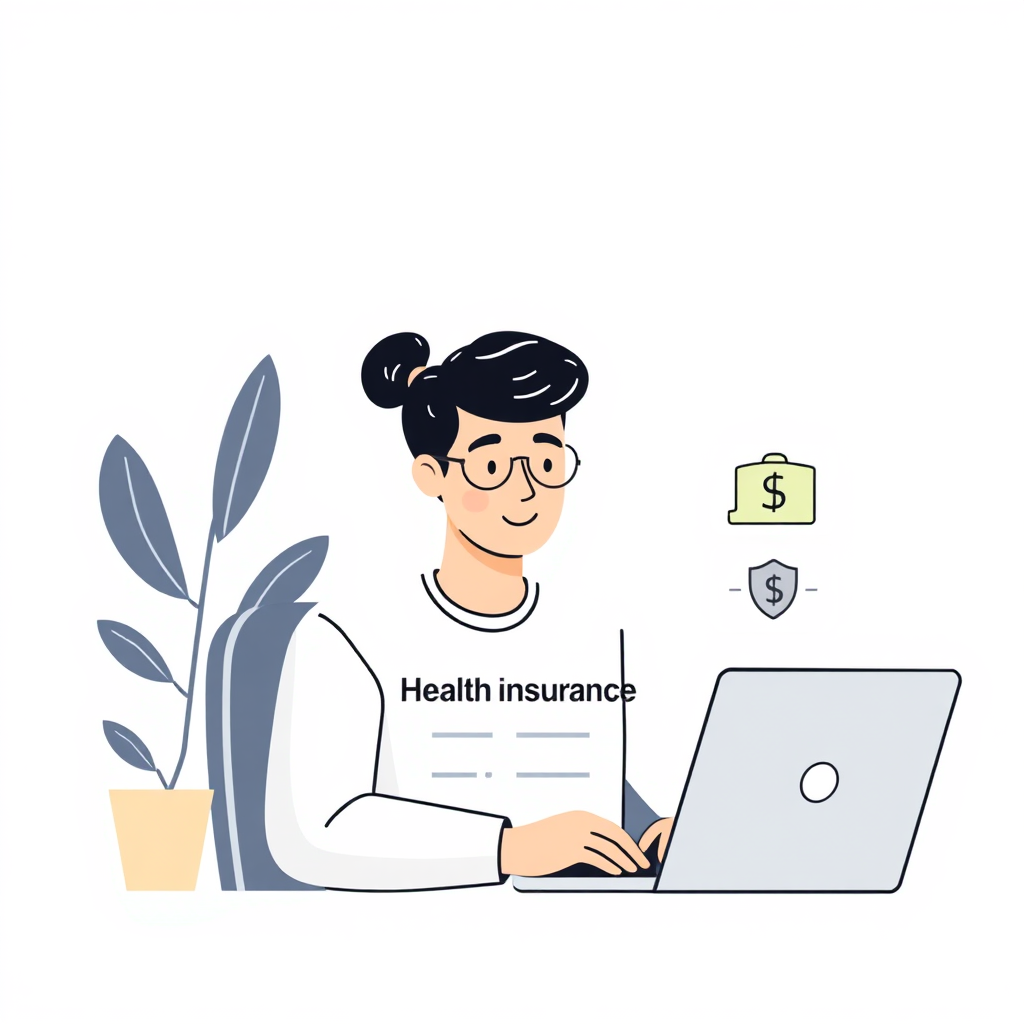
Illustration of a freelancer evaluating health insurance options

Qualifying life events that trigger SEP eligibility

Some events create an immediate window to enroll, while others adjust your subsidy eligibility or required plan. For gig workers, common triggers include changes to health coverage due to employment, family status, or residency. The exact SEP window depends on your event and your state, so always verify through your marketplace account.

  • You lose job-based or minimum essential coverage (for example, your contract stops or hours reduce substantially).
  • You start freelancing and your household income changes enough to affect subsidy eligibility.
  • You move to a new state or new area, which changes available plans and networks.
  • You get married or have a baby or adopt a child (family status changes).
  • You lose eligibility for other programs (like Medicaid/CHIP) or gain status that changes coverage options.
  • You gain U.S. citizenship or immigration status that makes you newly eligible for a marketplace plan.
Illustration of events triggering SEP

How to enroll during SEP

If your life event qualifies you for an SEP, you typically have a defined enrollment window—often spanning around 60 days around the event. The steps below help you move from event to coverage with clarity and confidence.

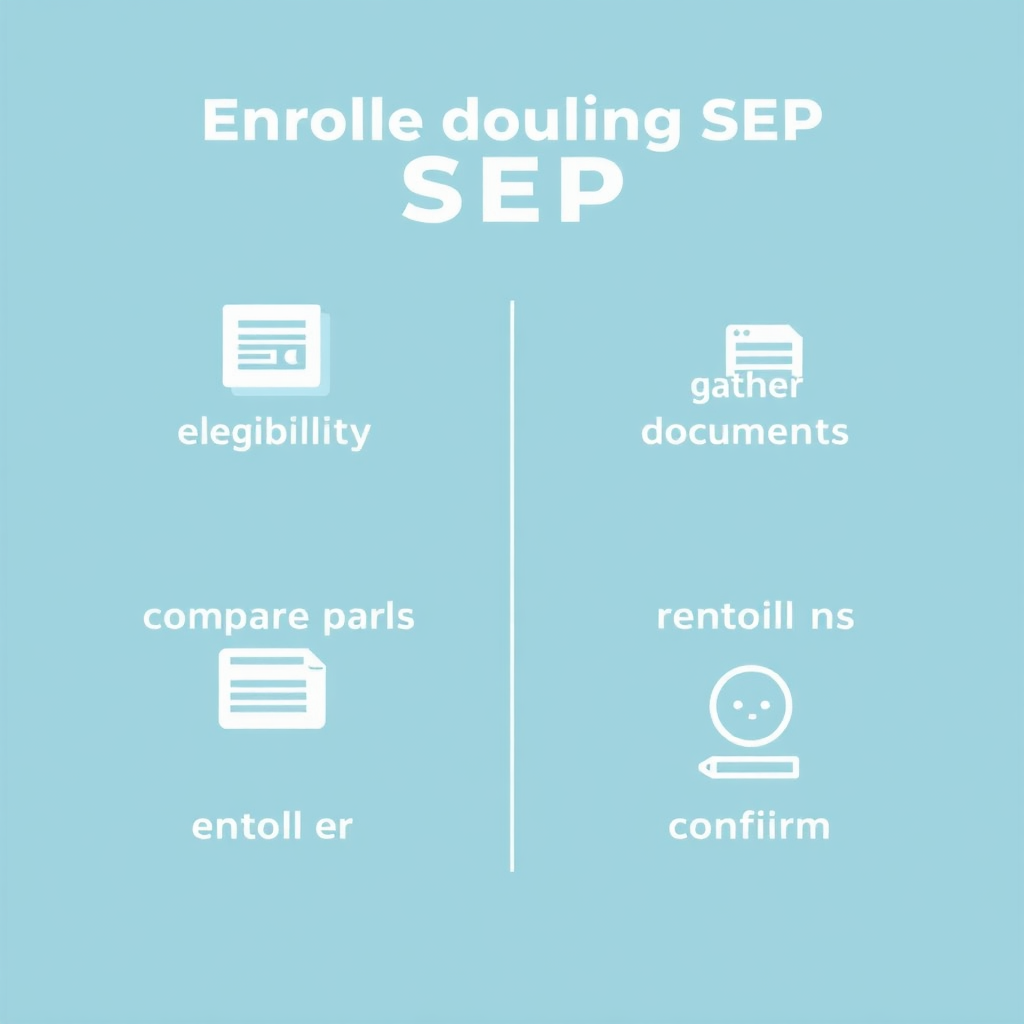
  1. Confirm your SEP window and whether subsidies apply by logging into your marketplace account or contacting support.
  2. Gather documentation proving your event (for example, a job loss notice, marriage certificate, birth/adoption record, or proof of income change).
  3. Compare plans within your marketplace: network availability, monthly premium, deductible, and out-of-pocket costs. Check if subsidies change your monthly cost.
  4. Enroll in the plan that best fits your needs and verify coverage start dates. If you qualify for subsidies, ensure you submit income estimates accurately.
  5. Set up payment and plan reminders. After enrollment, you’ll receive confirmation and an insurance ID card from your insurer.
Steps to enroll during SEP

Timeline and deadlines

SEP windows usually run around the qualifying event. You’ll see a progression from the moment your event occurs to the start of coverage, with a dedicated window to enroll. The exact days can vary by state and plan, so always check the marketplace for the most precise deadlines.

  • Event day: The trigger occurs and the SEP clock starts.
  • Enrollment window: Typically within the next 60 days, depending on your event and state.
  • Coverage start: Plans can begin on specified start dates after approval, often within a short period after enrollment.
  • After enrollment: You’ll receive enrollment confirmation and essential plan documents.

Scenarios: freelancers navigating SEP

Real-world stories illustrate how SEPs work for gig workers. Each scenario highlights a different life event and how coverage doors open when you act quickly and accurately estimate your needs.

Case study: job loss

Case 1 — Job loss triggers SEP

Alex, a 42-year-old freelance developer, loses his contract and coverage. By reviewing SEP eligibility, he enrolls in an ACA marketplace plan within the enrollment window and qualifies for a subsidy that lowers his monthly premium.


Case study: starting freelancing

Case 2 — Starting freelancing & family needs

Priya begins freelancing and welcomes a child. She leverages SEP to enroll in a plan that fits her growing needs while ensuring subsidies align with her fluctuating income.

Case study: relocation & SEP

Case 3 — Relocation and new plan options

Diego moves to a new state with different plan networks. By using SEP within the local marketplace, he secures a plan that covers his new area with suitable networks and pricing.

Resources and next steps

Ready to explore SEP options? Use these trusted resources to confirm eligibility, compare plans, and enroll efficiently:

  • Healthcare.gov (or your state marketplace) for plan comparisons and subsidies.
  • Medicaid/CHIP eligibility in your state—possible pathways through SEP.
  • Employer notices or letters confirming loss of coverage; bank statements and pay stubs for income verification.
  • Contact a licensed advisor or navigator for personalized assistance.
Resources & advisor support

Note: SEP windows and eligibility rules vary by state and plan. Always verify the exact deadlines and documents required in your marketplace account.

© 2026 Gig Health Insights. All rights reserved.