Rideshare Insurance Guide

Rideshare Insurance Requirements by State in 2026 A Driver’s Guide

Stay compliant and protected with a clear, state-by-state overview of liability, collision, and underinsured/uninsured coverage. This guide helps you understand timelines, minimums, and practical scenarios so you can drive with confidence.

Rideshare driver in a modern city
Snapshot

What you’ll learn at a glance

  • Minimum coverage basics by state (liability, collision, UM/UIM, and more)
  • How timelines affect when coverage kicks in
  • Practical scenarios showing gaps and risk exposure
  • Tips to stay compliant while maximizing protection

Hover over the mini-map to explore quick-access state chips.

State chips are interactive placeholders for quick-access details.

Coverages

Core coverages you should understand

Rideshare driving blends personal auto coverage with business-use rules. The essentials below cover you for common on-the-road scenarios.

Liability

Bodily injury and property damage to others when you’re at fault.

Collision

Damage to your vehicle in a collision, regardless of fault (when active).

UM/UIM

Uninsured/Underinsured motorists for others’ limits when they’re at fault.

GAP

Gaps between your auto policy and rideshare coverage when driving for app.

California

CA Minimums & Timeline

CA requires 15/30/5 liability minimums. Rideshare coverage should be active during app-connected driving, with a separate policy or rideshare endorsement to bridge gaps before a passenger is picked up and after drop-off.

  • Timeline: coverage starts when you turn the app on and ends when the ride ends.
  • Uninsured/Underinsured protection optional but recommended.
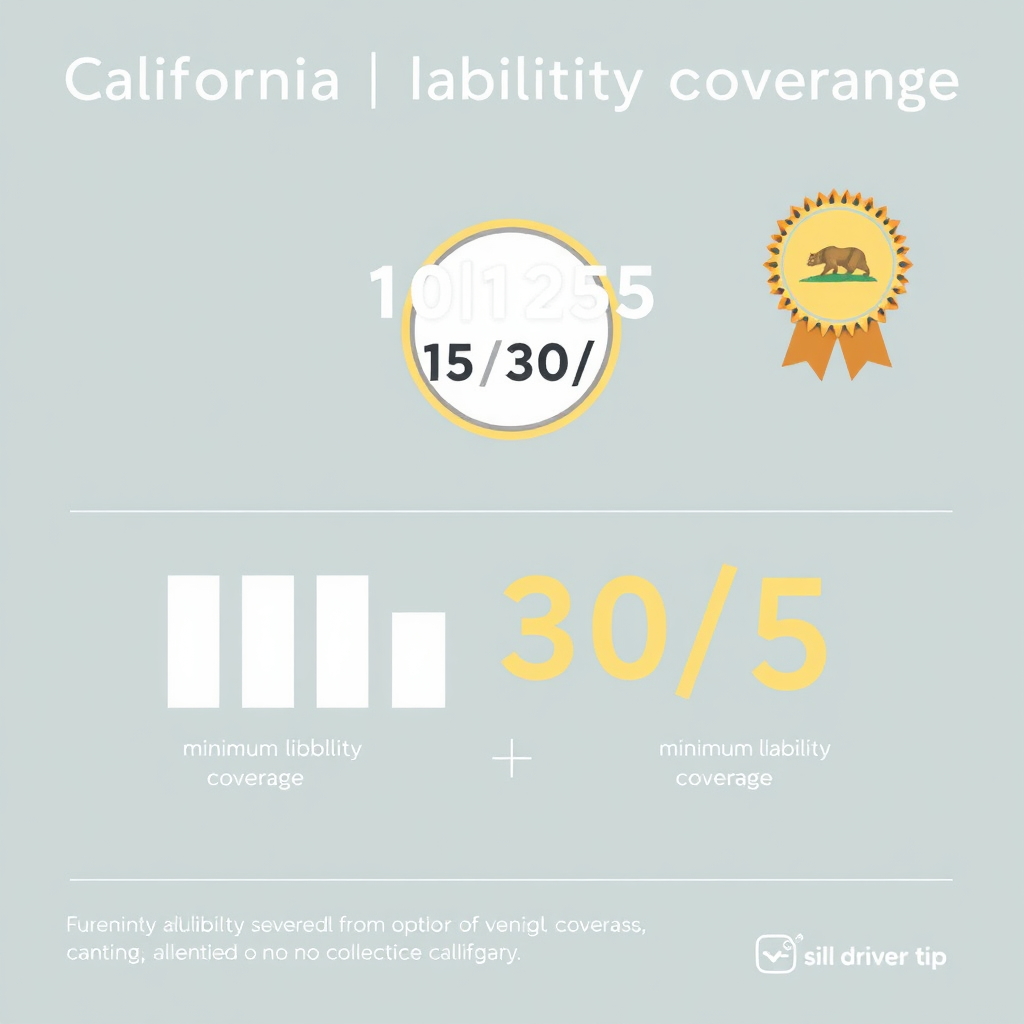
California coverage infographic
New York

NY Minimums & Timeline

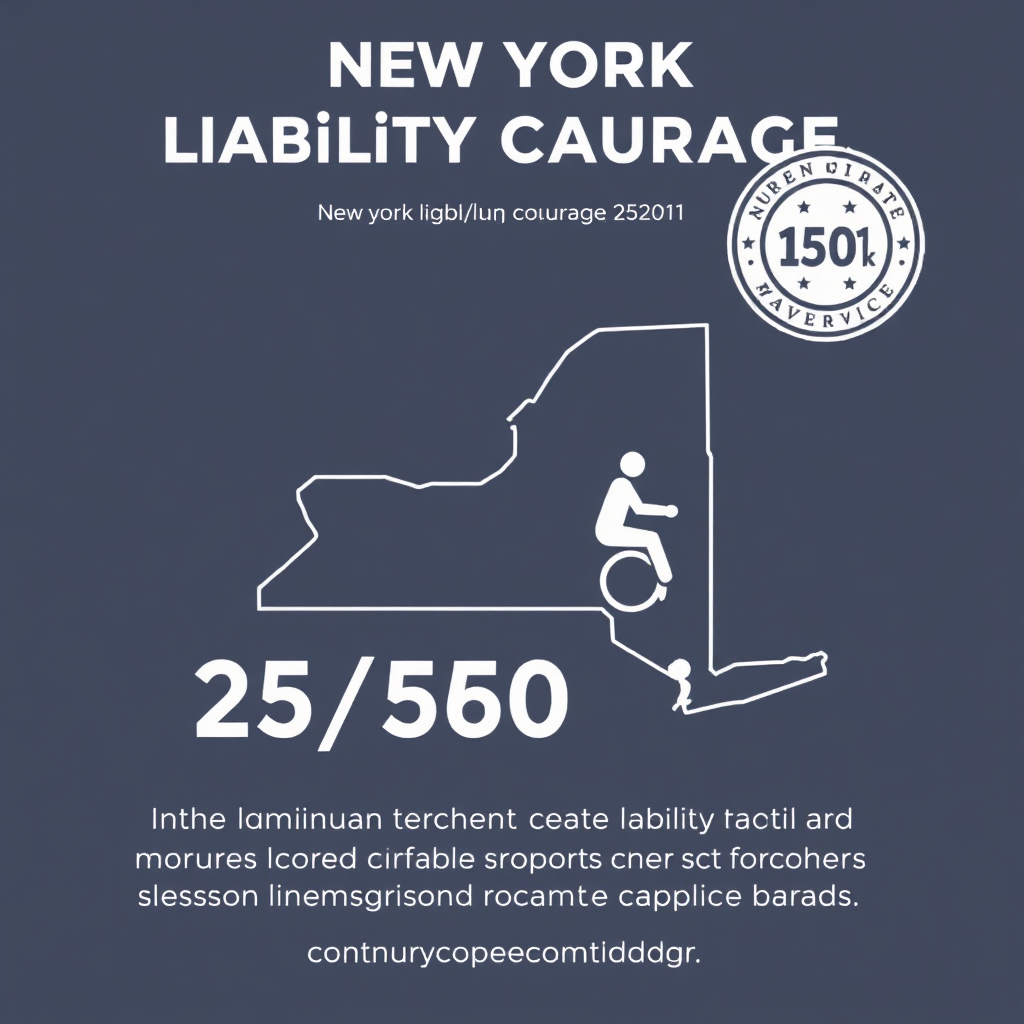
NY typically requires 25/50/10 liability minimums. Rideshare coverage should be active during active driving periods to bridge app-based gaps.

  • Timeline: protection ramps up as you accept a ride.
  • Consider strong UM/UIM and medical payments for urban driving.
New York coverage infographic
Texas

TX Minimums & Timeline

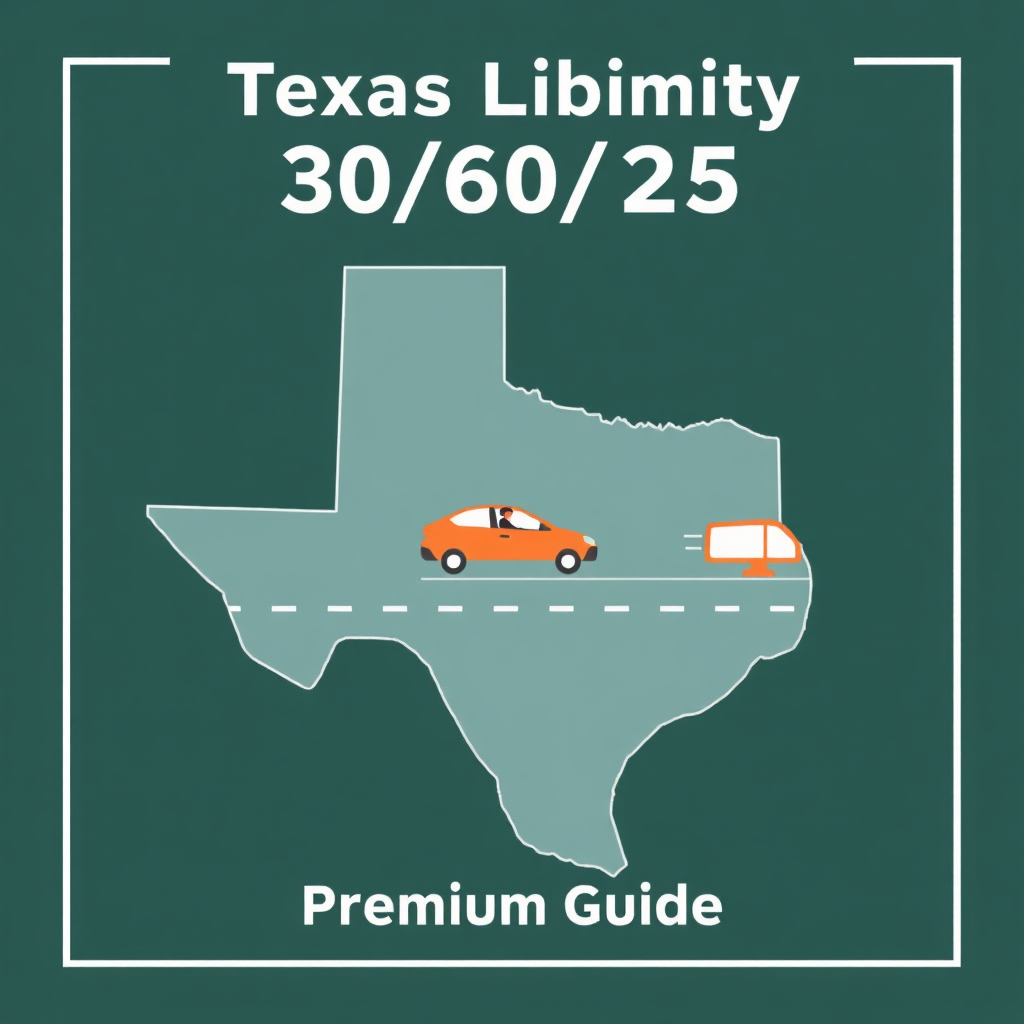
TX commonly uses 30/60/25 minimums. In rideshare, ensure coverage extends through the app’s active window and the passenger exchange is protected.

  • Timeline: coverage begins when the app is on and ends after the ride ends.
  • Watch for gaps during pickup and drop-off in higher-traffic areas.
Texas coverage infographic
How to Use

A practical, step-by-step approach

  1. Identify your state of operation and confirm minimums before accepting rides.
  2. Compare your personal policy against rideshare endorsements to close gaps.
  3. Keep a simple record of coverage effective dates and changes in regulations.
  4. Use the quick-glance map to access state-specific tips and timelines.
  5. Review updates periodically to stay compliant as laws evolve.
What happens if I don’t have rideshare coverage?

You may be personally responsible for costs arising during rideshare operations that extend beyond your personal policy. Deficiencies can leave you exposed to financial and legal risk.

Which policy should I choose?

Consider a rideshare endorsement or a standalone rideshare policy that bridges gaps between your personal policy and app-required coverage.

How often should I review state rules?

Laws update periodically. Set a quarterly reminder to verify coverage requirements in your operating states.

Download PDF (Sample)
Resources

State rule references and update notes

  • California DMV Insurance Guidelines — updated 2026
  • New York Department of Financial Services — rideshare policy updates
  • Texas Department of Insurance — coverage requirements for app-based drivers
  • National Ride-hailing Insurance Coalition — best practices

Last updated: 2026-07-01

State Changes Alerts
Free

Get notified about changes to state requirements and recommended protections.

RSS feed available for automatic changes in state regulations.