Rideshare Endorsement vs. Commercial Auto Policy: Which One Do You Actually Need? Skip to content
GigGuard Insurance

Rideshare Endorsement vs. Commercial Auto Policy: Which One Do You Actually Need?

For gig drivers, insurance decisions aren’t one-size-fits-all. This guide compares a rideshare endorsement with a traditional commercial auto policy, walks you through when each option makes sense, and shows how real drivers can close the Period 1 coverage gap. Learn how endorsements from top insurers fit into the picture and what typical costs look like.

Rideshare driver illustration

What is a rideshare endorsement?

A rideshare endorsement is a policy add-on that adjusts a personal or commercial auto policy to better align with the coverage gaps that occur when you are using a vehicle for rideshare services. In practical terms, it protects you during the periods when you are waiting for a ride request or are en route to a rider, and it complements your standard liability, collision, and comprehensive coverages. The endorsement is typically tailored to bridge the “Period 1” gap—those windows when your app is on but a trip hasn’t yet commenced or has just ended.

Endorsements from major carriers—State Farm, GEICO, Progressive, Allstate—often come with straightforward underwriting and a predictable annual cost. For many gig drivers, the price tag can be as economical as $15–$60 per year to close a meaningful gap, depending on vehicle type, location, and driving pattern. This is a practical, affordable way to bolster protection without the complexity of a full commercial policy.

The core idea is simple: you’re not just driving for yourself—you’re using your car as a platform for rides. A well-chosen endorsement acknowledges that reality and provides coverage that aligns with real-world driving cycles, minimizing exposure during high-risk moments like wait times, dash-pod notations, and app-driven navigation.

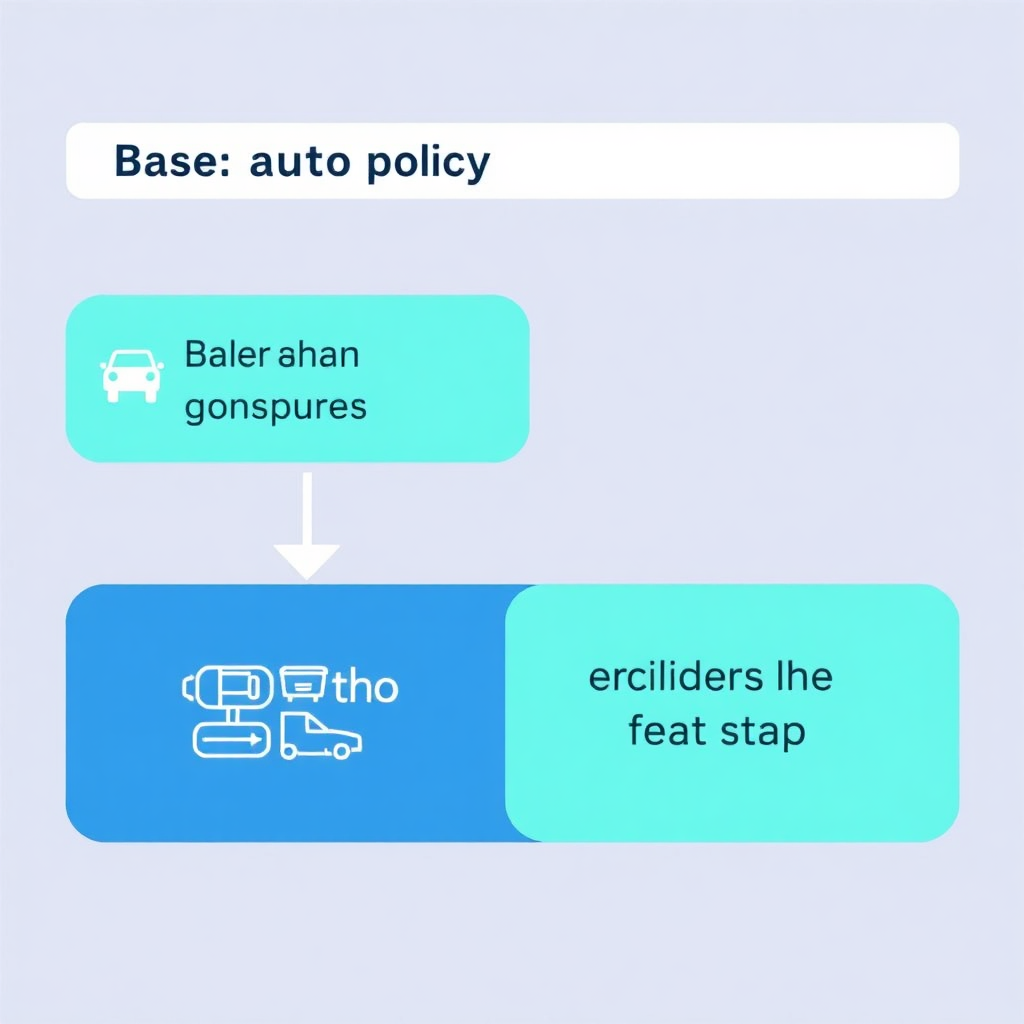
Endorsement Diagram

Two overlapping layers illustrate standard coverage with an added endorsement filling the gap during Period 1.

Endorsement diagram

When to use a rideshare endorsement vs a commercial auto policy

The decision hinges on your driving pattern, your risk tolerance, and your jurisdiction’s requirements. An endorsement is typically ideal if:

  • Most of your driving occurs during moments when the app is on but a trip hasn’t started yet (the “Period 1” window) or after a trip ends while you prepare for the next ride.
  • Cost sensitivity matters: endorsements provide targeted protection at a fraction of the cost of a full commercial policy.
  • You want a simpler, faster path to coverage with a familiar insurer name (State Farm, GEICO, Progressive, Allstate).

On the other hand, a commercial auto policy may be more appropriate if you drive full-time, carry high liability exposure, own multiple vehicles, or operate under complex business structures. A dedicated commercial policy can offer broader loss-of-use protections, more robust fleet options, and tailored endorsements within a single policy framework. In some cases, the commercial route reduces administration by consolidating coverages under one policy, provided the premiums and underwriting align with your business model.

Two-factor decision framework

Use this quick decision framework before contacting insurers:

  1. What portion of your driving occurs during Period 1 vs active trips?
  2. What is your annual miles and average trip distance?
  3. What is your vehicle value and liability risk tolerance?
  4. Do you prefer a modular approach (endorsement plus base policy) or a single combined policy?

Note: The Period 1 window can be a few minutes to several hours per trip, depending on platform, location, and driver behavior.

Endorsement Optional add-on

Flexibility

Adds coverage where gaps exist without restructuring your entire policy.

Commercial Auto Vehicle-focused

Breadth

Covers broader operational risks in a unified policy, potentially with fleet options.

Costs that matter

Costs & Real-World Examples

Period 1 Gap Coverage

$15–$60/year

For many drivers, a rideshare endorsement from State Farm, GEICO, Progressive, or Allstate closes the most meaningful gap without the complexity of a full commercial policy. The exact premium depends on your vehicle, location, driving history, and how often you use the app for rideshares.

Insurers

State Farm logo GEICO logo Progressive logo Allstate logo

Typical Annual Cost Range

Period 1 gap

For many drivers, endorsements sit in the low hundreds per year when stacked against the alternative of a full commercial policy. The exact figure depends on your vehicle’s value, your miles driven for rideshare, your location, and your prior claims. In practice, the noted range of $15–$60/year often represents a meaningful return on investment by eliminating a critical exposure in the rideshare lifecycle.

Data-driven Transparent pricing
Coverage Gaps

Coverage gaps & details: what changes with an endorsement vs commercial auto

Liability Baseline

What changes with endorsement?

Endorsements usually improve liability coverage during non-trip periods when you are waiting for a ride or between trips. You’ll see more consistent protection without needing a full commercial policy.

Collision Gap-filled

Impact during rides

Collision coverage remains part of both options, but an endorsement ensures protection during wait times and app-based movements that aren’t counted as a trip yet.

Comprehensive Optional

The "what if" moments

This coverage protects against non-collision losses (theft, fire, weather). Endorsements may extend the coverage window for travel between rides, making protection more seamless in day-to-day activity.

Medical Payments Key benefit

Personal protection on the road

Some endorsements enhance medical payments during wait-to-pickup periods, ensuring that you have coverage as you transition between rides and while in transit.

UIM Frontline protection

Protection gaps addressed

Endorsements can elevate UIM coverage during the ambiguous wait-to-trip periods, reducing the risk of underinsured exposure in common scenario types.

Myth-busting

A rideshare endorsement is not a substitute for comprehensive coverage in all situations. It’s a targeted enhancement designed to close a specific gap in the coverage spectrum. For drivers with high liability exposure or complex business operations, a blended approach (endorsement plus selected commercial coverages) is often the right path.

Decision Flow

A quick decision flow to identify the right coverage

Start Do you drive predominantly during Period 1? Endorsement fits Period 1 gap Yes End

This visual is a simplified illustration. Your calculator should consider miles, wait times, average trip length, and your local policy options to decide if an endorsement or a commercial policy best aligns with your risk profile.

Quiz

Quick quiz: find your recommended path

Next steps

Ready to secure the right protection?

If you’re gearing up for a rideshare season, the combination of a carefully chosen endorsement and a clean understanding of your commercial vs personal exposure is essential. Start with a quick quote from a preferred insurer, compare the costs, and consider your typical driving pattern. The right choice isn’t merely about price—it’s about predictable protection that aligns with your work.

  • Obtain a Side-by-Side quote: endorsement plus base policy vs standalone commercial policy.
  • Assess the Period 1 risk window specific to your city and platform usage.
  • Consider fleet or multi-vehicle needs if you manage more than one deregulated vehicle.
FAQ Updated

Frequently asked questions

What is Period 1 exactly?

Period 1 is the portion of time when a rideshare driver is connected to the app and ready to accept a ride, but not yet on a trip. Coverage gaps commonly occur here, which endorsements are designed to fill.

Will a rideshare endorsement cover all rides?

Endorsements target specific gaps. They do not replace the need for standard personal or commercial coverages during trips; they augment coverage during waiting periods and transition times.

How do I compare quotes effectively?

Look for identical coverage scopes, understand deductibles, and verify whether the quote includes endorsements. Compare year-round total cost, including any policy-level fees, to gauge true value.

Start a quote

We’ll connect you with options from multiple insurers for side-by-side comparison.

© 2026 GigGuard Insurance. All rights reserved.

Policy terms apply. This page is informational and not a substitute for professional advice.