Premium tax planning for gig drivers
Tax Deductions for Uber, Lyft, and DoorDash Drivers: Insurance, Mileage, and More
Learn which expenses you can deduct, how to track them, and how to estimate your year-end savings. A clean, modern guide designed for confident, informed drivers.

Key tax deductions for rideshare drivers
You can adjust your year-end figures by tracking miles, insurance costs, depreciation, maintenance, and more. This overview highlights the most common deductions and how they fit into your overall tax strategy.
- Mileage—deduct business miles driven for rides and deliveries.
- Insurance—portion of auto insurance premiums related to business use.
- Depreciation & lease interest—claim wear-and-tear and financing costs.
- Maintenance & supplies—oil, tires, repairs, and cleaning related to the business.
- Phone & data—a reasonable percentage of monthly service costs.

Mileage Tracking & Expenses
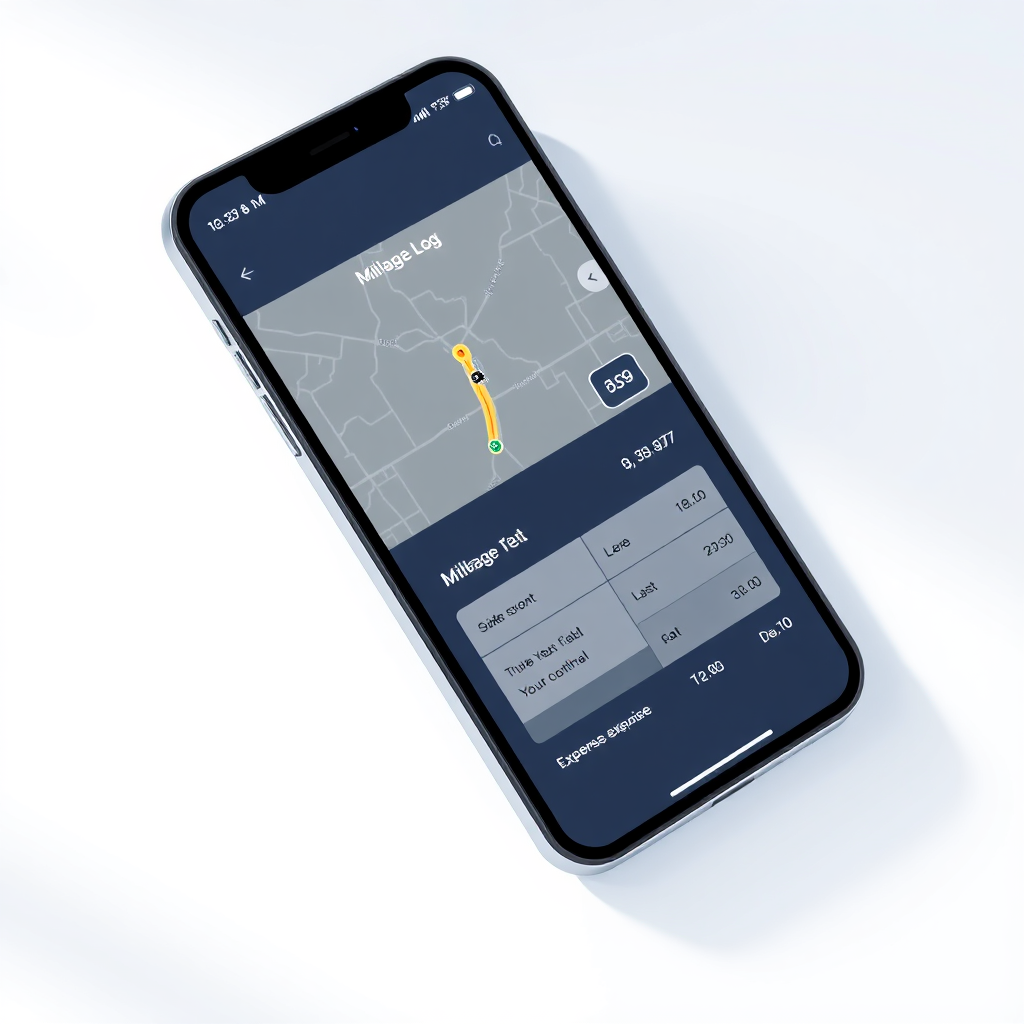
A practical approach to log miles and expenses. Use a method that suits your workflow—manual logs, mobile apps, or calendar-based tracking. The example below demonstrates a clear, compliant log.
- Record the date, start/end odometer, trip purpose, and miles driven.
- Separate business miles from personal miles; keep receipts for business-related expenses.
- Summarize your annual miles and deductible costs for tax filing.
- Review quarterly to stay aligned with your tax strategy.
Auto Insurance Essentials for Gig Drivers
Auto Insurance
Determine the business-use portion of your policy. Maintain documentation to back up your deduction claims.
Learn moreLiability Coverage
Ensure you have adequate liability limits for business activities and rider safety incidents.
DetailsOptional Coverage
Gap insurance, rental reimbursement, and other add-ons can protect your drive-time earnings.
TipsRecordkeeping & Documentation
Keep templates, receipts, and logs in one accessible place. Structured documents simplify tax time and support Audit readiness.
- Downloadable templates for mileage logs and expense tracking.
- Receipts organized by category and tax year.
- Tips for digital filing and backup strategies.
Templates
Ready-to-fill templates you can download and customize for your year.
Sample Receipts
A small sample collection to illustrate how to organize documents.
Estimator Calculator
Enter your numbers to estimate deductible mileage, insurance, and depreciation for the year.
This is a simple estimator for planning purposes and does not replace tax advice.
Guidance & Resources
Access handy resources to deepen your understanding of deductions, receipts, and filing timelines.
Year-end tax checklistNext Steps
1) Gather receipts. 2) Log miles. 3) Run the calculator. 4) Prepare for tax season.