Bronze
Budget-friendlyFrom $129/mo
- Higher deductible, lower premium
- Essential care and preventive services
- Limited out-of-pocket maximum compared to fallback options
Best for freelancers with tight monthly budgets
A practical, decision-focused guide for freelancers and gig workers evaluating ACA plan tiers. We break down costs, coverage, subsidies, and real-world tradeoffs so you can pick the plan that fits your income, healthcare needs, and budget.
For many gig workers, the Silver plan tier combined with available subsidies delivers the strongest value. Cost-sharing reductions (CSRs) reduce out-of-pocket costs like deductibles, copayments, and coinsurance—but they are generally tied to income and the plan tier. In practice, a Silver plan often lowers your effective annual healthcare spend more than Bronze or Gold when CSR eligibility applies. This is especially true for freelancers earning variable incomes who want predictable out-of-pocket costs without sacrificing essential services.
The Bronze path remains appealing for those prioritizing low monthly costs and who can comfortably absorb higher deductibles. The Gold path suits freelancers with ongoing medical needs or who prefer a tighter cap on annual medical spending, accepting higher premium payments for peace of mind.
When evaluating options, consider total annual costs: monthly premiums, out-of-pocket limits, typical services you use, and the probability you’ll qualify for CSR. A Silver plan with CSR can be an excellent balance for lower-income freelancers who want substantial coverage without a steep premium.
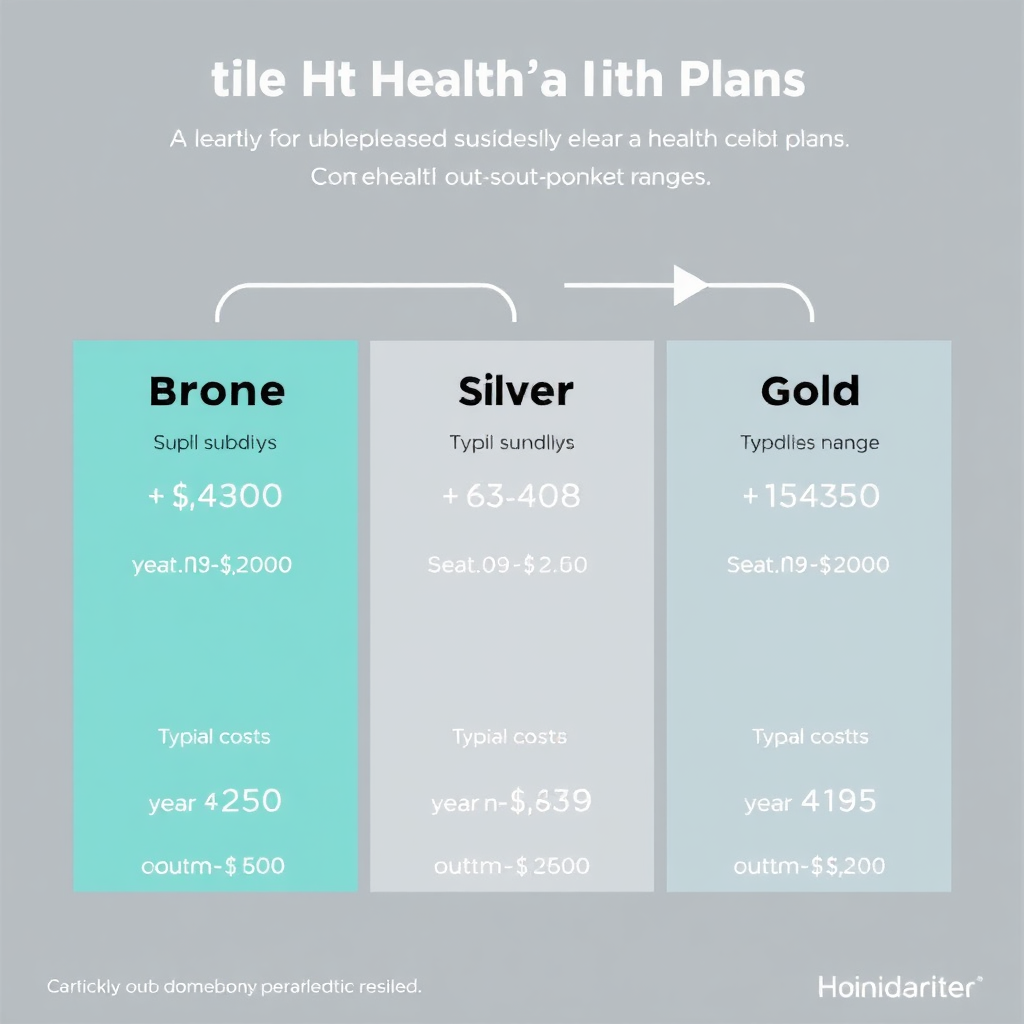
Illustrative infographic placeholders generated from data attributes.
Your decision hinges on income stability, expected medical usage, and tolerance for risk. Here are concise rules of thumb to guide a decision at decision time for the best health plan self employed outcomes.
Alex is a graphic designer with occasional visits to a doctor. He prioritizes a low monthly cost and is comfortable with a higher deductible. Bronze is a practical fit if he rarely uses care.
Priya works gig-based marketing and has inconsistent income. Silver with CSR often yields the best annual value, especially when healthcare needs are modest to moderate.
Tip: If you’re unsure about CSR eligibility, start with Silver as a baseline. If CSR doesn’t apply, Bronze becomes the clear low-cost option, and Gold is reserved for higher expected healthcare usage.
Based on current income inputs, your monthly premium and potential CSR-adjusted costs will be shown here. Use this to compare total annual costs across Bronze, Silver, and Gold.
Cost-sharing reductions (CSR) lower out-of-pocket costs for eligible individuals enrolled in Silver plans. Eligibility is generally based on income relative to the federal poverty level and household size. CSR applies only to Silver plans, not Bronze or Gold.
Not always. Silver is often the best balance for many freelancers, especially with CSR. Bronze can be cheaper month-to-month but higher out-of-pocket costs. Gold offers predictability but comes with higher premiums. Your health needs and income stability matter.
Estimate your annual healthcare usage, verify CSR eligibility, compare total costs (premiums plus expected out-of-pocket costs), and consider network adequacy for your doctors. Start with Silver as a baseline, then compare Bronze and Gold to confirm the best fit.
Subsidies reduce the monthly premium, while CSRs can reduce out-of-pocket costs for Silver plans. The net effect depends on income and household size; subsidies are designed to make healthcare more affordable for those with lower to mid-range incomes.
Direct, authoritative resources to inform your decision: