Health & Medical
Medical expense protection, telehealth access, preventive care, and coverage options tailored to irregular income schedules.
Learn moreCornerstone Resource
A comprehensive, reader-friendly guide crafted for independent contractors, couriers, freelancers, and platform workers. It unpacks health, liability, disability, equipment, auto, cyber, and more—so you can build a resilient safety net without the guesswork.
This cornerstone article is designed to be the primary reference for first-time visitors and a practical lead magnet when paired with downloadable checklists. Internal links guide you to pillar content (Articles 1, 10, 19) so you can explore in depth.

A quick map of the essential coverages gig workers should understand. Each card links to a deeper section that explains what the coverage covers, typical limits, exclusions, and practical considerations for independent contractors.
Medical expense protection, telehealth access, preventive care, and coverage options tailored to irregular income schedules.
Learn moreProtection against third-party claims and damage to client property or your own gear used for work.
Learn morePartial income protection during illness or injury so you can cover essentials while you recover.
Learn moreCoverage for gear and tools you rely on—laptops, cameras, delivery bags, and other essential gear.
Learn moreRideshare and delivery vehicle policies, rental coverage, and gaps that often affect gig drivers.
Learn moreProtection against data breaches, cyber extortion, and privacy incidents that can affect clients and contractors.
Learn moreProfessional liability coverage for advice, design work, or services you provide—helpful for consultants and specialists.
Learn moreContent interruption coverage that protects income when an incident halts work activity or access to a workspace.
Learn moreHealth coverage for independent workers requires clarity about what’s covered, how it interacts with short-term gaps in income, and how telehealth can save you time when schedules are unpredictable. The discussion below explains the core components, from routine care to urgent conditions, and how to align them with your gig lifestyle.
A practical approach starts with prioritizing access to primary care, preventive services, and affordable prescription coverage. Then you layer in protection for acute events and chronic conditions that could disrupt your ability to work. The goal is to minimize out-of-pocket costs while preserving access to quality care.
For many gig workers, flexibility matters as much as coverage. The following image illustrates a healthy balance between accessible care, affordable premiums, and predictable out-of-pocket costs.

Liability and property coverages protect you from third-party claims and from property damage that can arise in the course of performing work. For many freelancers, a simple, well-structured liability policy can be the difference between a recoverable setback and a career-ending event.
Property coverage is equally important when your income relies on equipment you own or lease. A smart mix of liability and property protection helps you keep working with fewer interruptions, regardless of whether you’re on the road, at a client site, or freelancing from a coworking space.
$100k, $300k, $500k
Typically not needed for small claims; choose a deductible that matches your risk tolerance.
Experience, location, tools, and coverage limits influence premiums.
A client alleges you caused a hazardous condition. Liability coverage helps cover defense costs and settlements up to policy limits.
Damage to a client’s property caused by your equipment. Property coverage helps with repairs or replacements.
Choosing higher limits reduces the risk of out-of-pocket exposure in a dispute or damage scenario.
Disability coverage helps bridge income gaps when illness or injury interrupts your work. Short-term disability (STD) typically provides partial income replacement for weeks to months, while long-term disability (LTD) continues income protection for extended periods. The gig economy’s irregular earnings make it especially critical to plan for both.
Eligibility often depends on a waiting period, occupation class, and how your work is classified. For many, a blended approach—STD for immediate protection and LTD for longer horizons—offers a practical balance between premium costs and financial resilience.
“A 6-week sick leave could derail a week-to-week earnings pattern. Disability coverage ensures you have a safety net while you recover.”
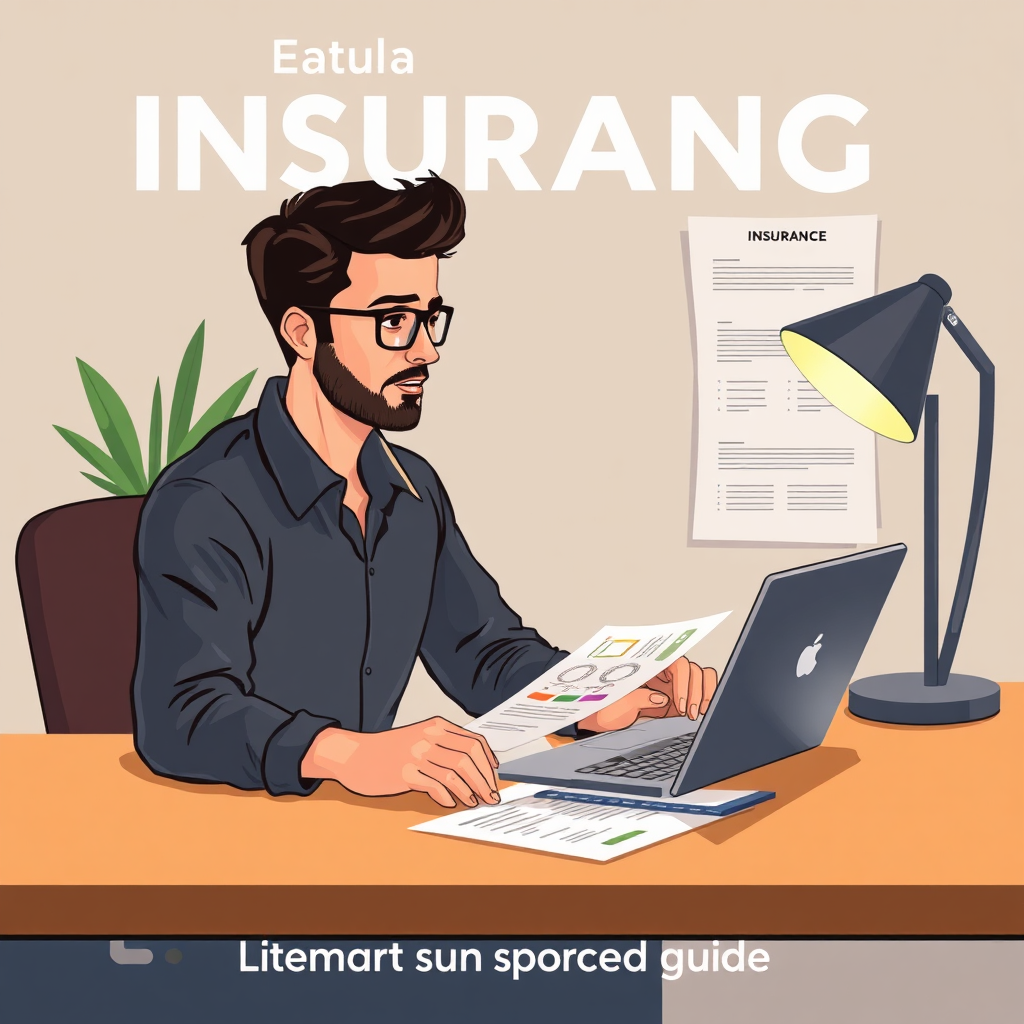
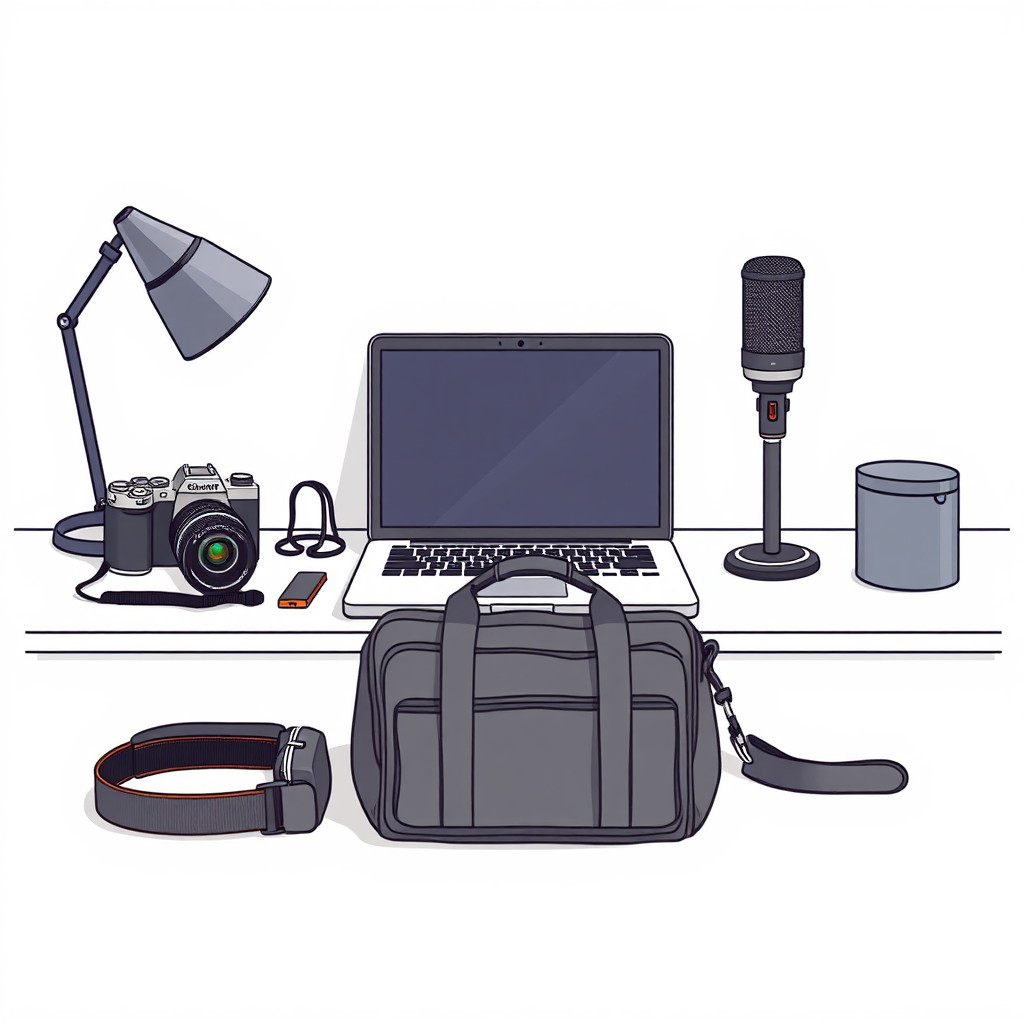
Your gear is the engine of your work. Equipment coverage protects laptops, cameras, delivery bags, tools, and accessories from theft, damage, or loss. When your income depends on reliable gear, the right policy lowers the risk of downtime and expensive replacements.
Consider pairing equipment coverage with a scheduled personal property rider if you own high-value gear. A simple inventory and serial-number-backed listing helps you secure faster claims and keep premiums predictable. Remember to document purchase dates and replacement costs so claims reflect current market values.
Auto policies for rideshare and delivery drivers often require specialized endorsements. This section outlines how coverage applies to active driving, rental vehicles, and the gaps to watch for, such as gaps during vehicle substitutions or non-work use.
A practical approach is to align your auto policy with the exact nature of your work—whether you primarily drive a personal vehicle for deliveries, operate under a rideshare platform, or rotate between several modes of transportation. This alignment minimizes uncovered incidents and unexpected out-of-pocket costs.

In a digital-first economy, data breaches and privacy incidents can ruin trust and cost a business more than the initial incident. Cyber coverage helps with breach response, notification costs, and regulatory fines up to policy limits.
Start with practical measures: strong passwords, two-factor authentication, secure backups, and clear client data handling policies. Then layer in cyber coverage that matches your exposure—especially if you store client information, process payments, or manage sensitive project data.

Even when you’re delivering value as a consultant or specialist, the policy basics can help cover miscommunications, professional advice, or service delivery that falls short of expectations. E&O offers a safety net that complements general liability.
Practical planning for E&O involves identifying the services you offer, potential professional risks, and the reasonable statutory and contractual expectations clients place on your work. A modest professional liability policy can be a decisive factor in contract negotiations.

Next Steps
Use this section to assemble a practical, personalized plan. You’ll find a step-by-step buying guide, a risk assessment worksheet, and a clear CTA to download the complete PDF checklist. The aim is to empower you to act with confidence and clarity.
Download the complete, print-ready checklist to carry with you. Includes sections for every coverage type, a risk assessment worksheet, and a planning template to keep you organized.
Download PDF ChecklistThis cornerstone article links deeply to pillar content: Articles 1, 10, and 19. Explore those pillar pages to understand broader strategy and connect with related resources.