General Liability Insurance for Freelancers: Do You Really Need It?
A practical guide for self-employed professionals. Learn what GL covers, when it’s worth it, and how to secure a Certificate of Insurance (COI) to satisfy client requirements without slowing your momentum.

What General Liability Insurance Covers
General liability insurance (GL) protects you from common business risks that can disrupt your work or erode profits. Even when you’re careful, accidents happen. GL helps cover costs in three primary areas:
- Bodily Injury—If a client or third party is injured by your operations, GL can cover medical costs, legal defense, and settlement expenses.
- Property Damage—If you damage a client’s property or someone else’s while performing services, GL helps with repair or replacement costs and related defense.
- Advertising Injury—Protects against claims of libel, slander, copyright infringement, or misrepresentation found in advertising or marketing materials.
Note: GL does not cover professional mistakes or errors in judgment related to your specific services. That is typically addressed by professional liability (errors and omissions) insurance.
Do Freelancers Really Need General Liability Insurance?
For many freelancers, GL is a practical requirement rather than a luxury. Clients may mandate proof of coverage before starting a project, especially when contracts involve on-site work, client-owned equipment, or handling sensitive data. Here’s how to assess your situation.
- Client requirements: If a contract specifies GL or a COI, you’ll want to have it ready to avoid delays.
- Financial risk: A single accident or property damage incident can exceed monthly earnings. GL helps transfer that risk.
- Contract stability: GL can make you more competitive for larger or longer-term engagements.
Costs and When It Pays Off
Estimate annual costs and understand how coverage pays for itself by protecting your livelihood. Ranges vary by revenue, industry, and risk exposure.
Designer / Creative
Annual cost range
$350–$700
Typical for solo creatives with modest revenue.
Developer / Tech
Annual cost range
$500–$1,000
Higher if you handle client data or on-site engagements.
Photographer / Studio
Annual cost range
$400–$900
Covers shoots, client props, and travel-related risks.
Small Agency / Consultant
Annual cost range
$800–$1,800
Higher limits or multi-location exposure increase cost.
When GL Pays Off
- Your contract requires proof of insurance up front.
- A client asks for COI before starting a project, avoiding delays.
- A minor accident occurs on-site or while transporting client gear.
- You want competitive leverage for larger or longer engagements.
How to Obtain and Prove It
Securing GL and providing a COI to clients is usually straightforward. Follow these steps to keep the process efficient and win-bound contracts.
- Assess your risk and choose appropriate coverage limits for your projected annual revenue and client mix.
- Request quotes from insurers or brokers. Compare price, limits, and carrier financial strength.
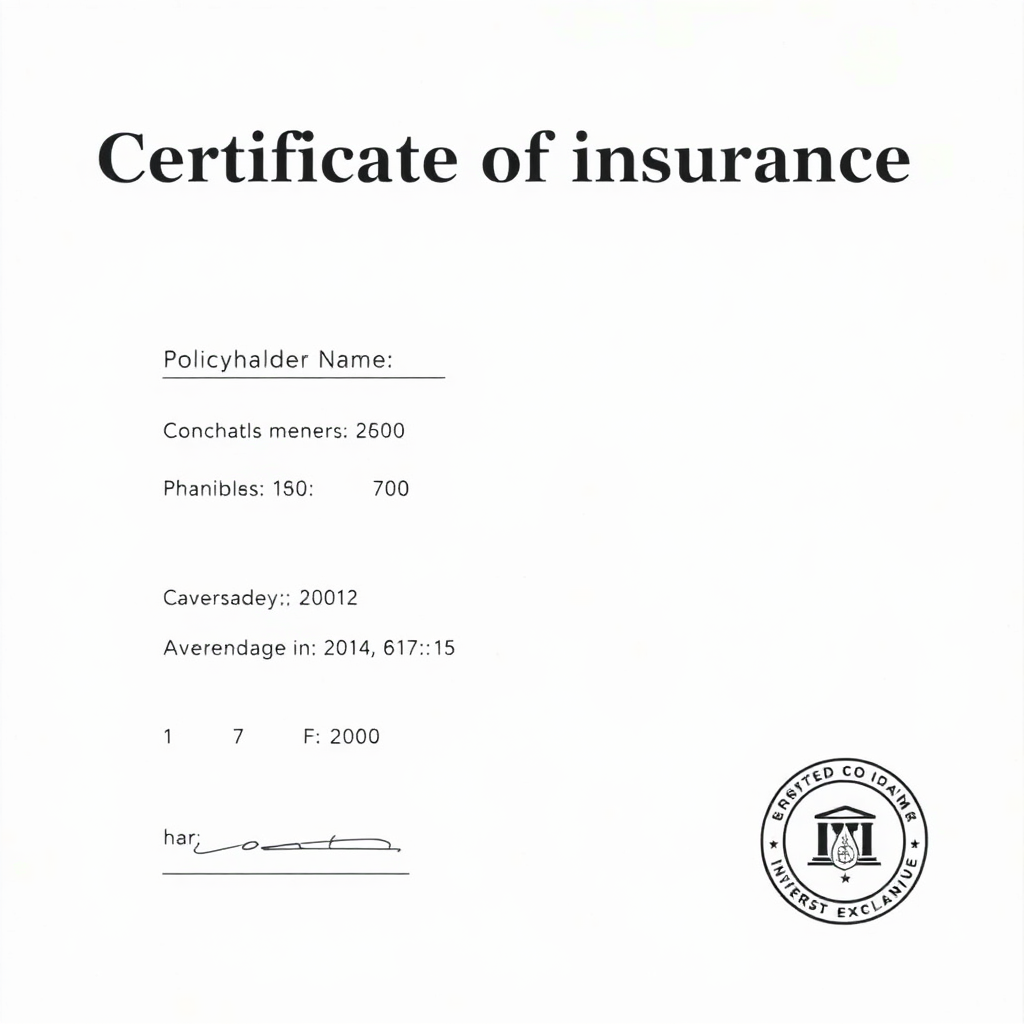
- Request a COI once you select a policy. Ensure the COI lists your business name, the insurer, coverage limits, and effective dates.
- Keep your GL policy active and renew before expiration to maintain uninterrupted proof for clients.
Choosing the Right Policy: Key Terms in Plain English
Understand coverage components, limits, and exclusions. Hover or tap terms for quick definitions.
What GL Covers
- Bodily Injury
- Property Damage
- Advertising Injury
Coverage Limits
Typical ranges: $1M aggregate / $2M per occurrence, with variations by risk and revenue. Always confirm with your client and state requirements.
Higher limits better protect against large claims; may affect premium.Inclusions / Exclusions
Look for exclusions around professional services, product liability, and on-site health requirements. Some policies include contractor endorsements for added protection.
Exclusions define what is not covered; endorsements can tailor protection.FAQ & Next Steps
Do freelancers really need GL insurance?
If you work with clients that require COIs, handle client-owned property, or have contracts with on-site work, GL is often a wise investment. It protects both your business and your client relationship, helping you compete for bigger or longer-term projects.
Is GL the same as professional liability?
No. General liability covers bodily injury, property damage, and advertising injury. Professional liability (errors and omissions) covers mistakes in your work. Many freelancers carry both for comprehensive protection.
How much does GL insurance typically cost?
Costs vary by revenue, industry, and risk. For many solo freelancers, a few hundred dollars per year is common, rising with higher limits or additional riders. Your broker can tailor a quote quickly.
How do I obtain a COI?
After you purchase a GL policy, request a COI from your insurer. Provide client details, coverage amounts, and the certificate holder name. The COI is proof of coverage that most clients require before work begins.
What limits should I choose?
Start with a basic limit (e.g., $1M per occurrence, $2M aggregate) and adjust based on client requirements, project scope, and revenue projections. When in doubt, discuss with a broker who understands your industry.
Or contact us for a quick consult tailored to your freelance business.