Does DoorDash Cover You Between Deliveries? What Drivers Need to Know

Insurance clarity for drivers

Does DoorDash Cover You Between Deliveries? What Drivers Need to Know

Food delivery keeps you moving, but the time between accepting an order and completing a delivery is a high-risk window. This guide unpacks the DoorDash insurance gap, what is usually covered, and practical steps you can take to stay protected. We’ll explain how Period 1—the pause between journeys—can expose drivers to gaps in coverage and why food delivery drivers spend more time in this window than rideshare drivers. You’ll find clear, actionable guidance you can apply today.

Understanding the window of risk

The Insurance Gap Between Deliveries

When you’re delivering for DoorDash, coverage is strongest while you’re actively on a delivery. But there is a distinct “Period 1”—the interval after you accept an order but before you complete the trip—where traditional auto policies and rideshare-type coverage can fall short. In this gap, you may be driving, waiting for a new order, or parked, all while the app is in a different mode than a mounted trip. This is where the risk compounds: the more time you spend in Period 1, the greater your exposure to uninsured events or policy limitations.

Food delivery drivers, by design, spend more time in Period 1 than rideshare drivers. The result is a larger, more uncertain coverage footprint that can leave you personally exposed during idle moments, waiting for the next ping, or navigating a short layover between orders. This guide helps translate protection gaps into concrete, actionable steps you can take now.

What’s typically covered

What Is Covered Between Deliveries

Period 1 awareness

Liability Coverage

Liability protection may extend to third-party injuries or property damage caused while you are not actively delivering, but coverage rules vary by policy. In Period 1, coverage can depend on the policyholder’s terms and local regulations. Always verify what your primary policy covers during idle moments and while you’re transitioning between orders.

Often applies

Property Damage (Other Vehicle)

If you collide with another vehicle or cause property damage during a pause or while transitioning between pings, coverage may be limited. This is a frequent blind spot during Period 1, especially when you’re waiting near intersections, in drive-throughs, or on busy routes.

Watchful area

Policy Gaps

Even when policy language seems generous, the practical coverage during idle times can be narrow. Gaps may appear for parked cars, awaiting assignment, or while the app is in a non-delivery state. These gaps are not always obvious until an incident occurs, which is why proactive planning matters.

Potential gaps

What to Verify

Your best defense is clarity. Check your policy documents, confirm with your insurer whether Period 1 is explicitly covered, and understand any limits, deductibles, or rider options that close the gap during idle times.

Action needed

Bottom Line

Gaps in coverage are not optional—they’re real risks that can affect your finances, vehicle, and livelihood. Understanding where coverage holds and where it doesn’t puts you in the driver’s seat to protect yourself with purpose-built steps.

Important
Note: The items above describe common gaps in DoorDash driver coverage during the gap between deliveries. Individual policy language varies by insurer, state, and the specifics of your contract with the platform. Always consult your agent for advice tailored to your situation.

Concrete examples

Real-World Scenarios: How the Gap Plays Out

Here are common situations you may encounter during Period 1. Each scenario highlights what can happen when protection isn’t clear, and how proactive steps can change the outcome. These examples are designed to be practical, not alarmist, so you can prepare with confidence.

Scenario 1: An Accident During a Wait

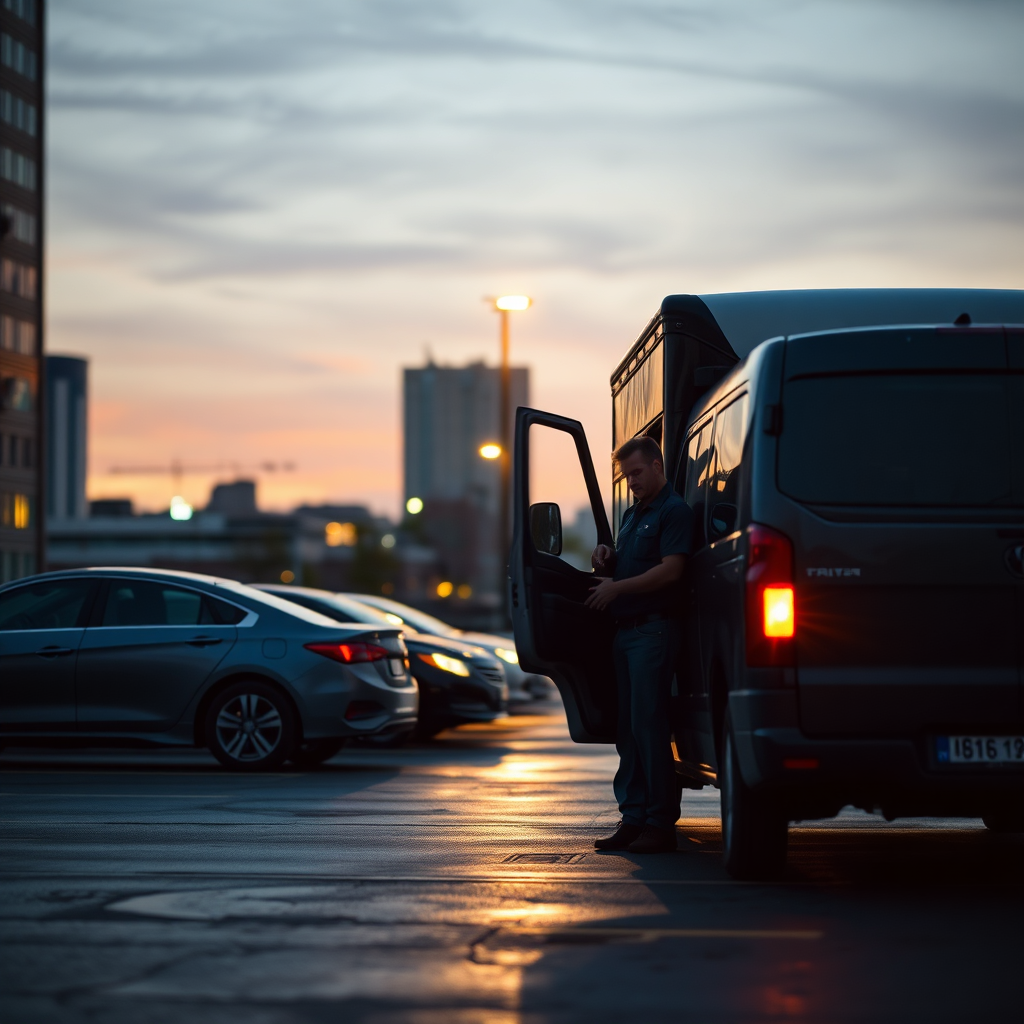
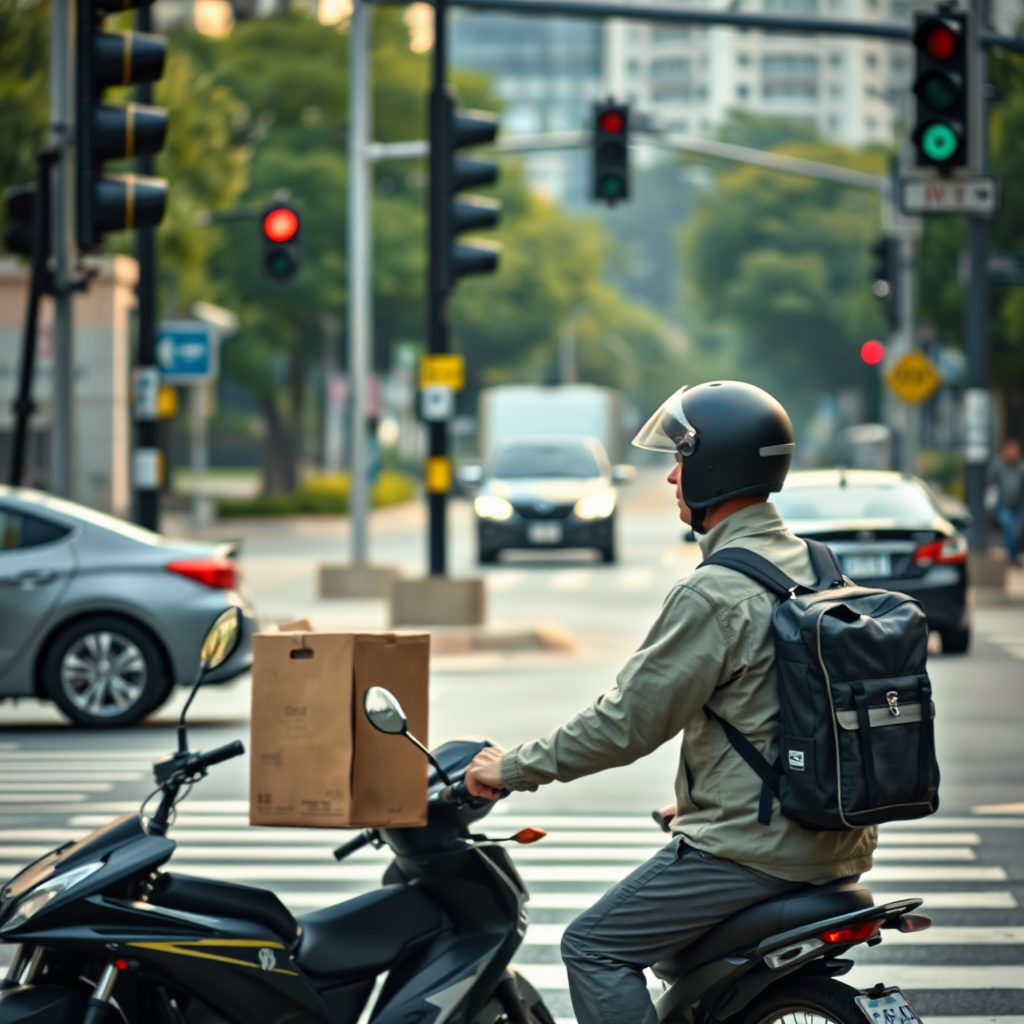
You’re waiting for the next ping near a busy intersection when another vehicle clips yours. The incident occurs during Period 1, before a new trip is started. Without clear coverage for idle moments, you could face out-of-pocket costs for repairs or liability. A quick call to your insurer to document the incident and confirm that the policy extends to idle periods can matter, as can having a dedicated rider for gaps.

Scenario 1 visual

Scenario 2: Parked Vehicle Theft During a Gap

A driver returns to their vehicle after a delivery and finds the car broken into. The theft occurred while the app was not actively routing a trip. Depending on policy language, theft and vandalism during idle periods can fall into a confusing coverage zone. Having an explicit rider for non-delivery periods and documenting security measures can help you navigate this risk more smoothly.

Scenario 2 visual

Scenario 3: Transition Mishap on a Busy Route

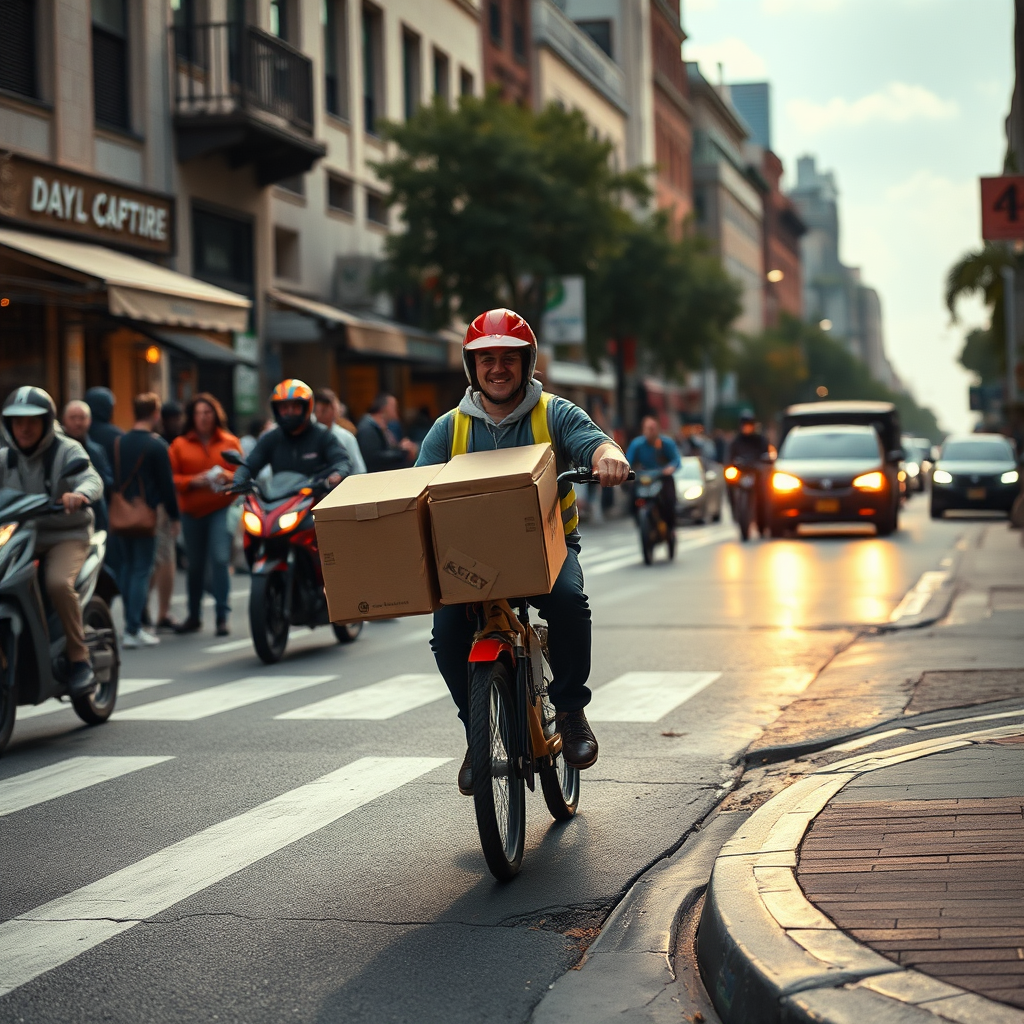
While transitioning to a new order, a delay arises and a minor collision occurs with a curb or obstacle. The incident may happen when the app is in a transition state rather than an active trip, where coverage can be unclear. In such moments, having a documented incident report, photos, and a policy rider designed for gaps can be decisive for claim outcomes.

Scenario 3 visual

Practical actions

Bridging the Gap: Practical Steps for Drivers

The key to reducing risk is proactive planning. Start by confirming how your auto policy handles idle periods and whether you can add a rider specifically for DoorDash gaps. Consider additional coverage for non-delivery moments, or a commercial auto option if you drive full-time. The steps below translate policy language into concrete actions you can take now to minimize out-of-pocket exposure after a missed or delayed delivery.

  • Review your current policy for idle Period 1 coverage. Look for explicit language about non-trip, parked, or waiting moments.
  • Ask about riders or endorsements that close the gap during non-active periods, especially if you drive for long stretches between orders.
  • Document your trips, incidents, and security measures (parking, surveillance, lighting). Documentation helps with claims and policy interpretation.
  • Consider a commercial auto or business-use policy if your driving volume warrants it. Compare quotes and preferred limits with your insurer or broker.

Checklist to close the gap

Stepwise
  1. Identify all idle moments in a typical work shift (waiting for orders, queueing, post-delivery downtime).
  2. Check state requirements for coverage during non-delivery activity.
  3. Request rider or endorsement options from your insurer to cover idle periods.
  4. Maintain a concise incident log with time, location, and participants.
Note: Insurance offerings and coverage labels vary by insurer, state, and policy. This section presents practical steps to reduce your gap exposure and protect your livelihood as a DoorDash driver. Always confirm details with your agent and your platform’s current terms.

Frequently asked questions

FAQ & Takeaways

Below are common questions drivers have about DoorDash insurance between deliveries, the insurance gap, and practical tips to verify and improve your coverage. Each answer is designed to be direct and useful so you can act with confidence today.

What exactly is the DoorDash insurance gap during Period 1?

Period 1 refers to the window after you accept an order but before you complete the delivery. During that moment, coverage can depend on platform rules, policy language, and state laws. In practice, many drivers discover that their standard auto or rideshare policies don’t clearly cover idle waits, parking lot incidents, or transitional moments between trips. Knowing where those gaps exist helps you decide whether to add riders, switch to a business-use policy, or take other protective steps.

Is DoorDash coverage the same everywhere?

Insurance terms vary by state, insurer, and the specifics of your agreement with DoorDash. There can be differences in how idle moments are treated and whether platform-triggered protections apply when you’re not actively delivering. Always review your policy documents and confirm with your agent about Period 1 coverage for DoorDash.

What steps can I take now to reduce my risk?

Start by confirming whether idle moments are covered by your current policy, and consider adding a rider or switching to a commercial auto policy if appropriate. Maintain documentation of trips and incidents, and create a brief incident-response plan so you know exactly what to do if something happens in Period 1. These actions can lower out-of-pocket exposure and improve claim outcomes.

What is the practical takeaway for drivers?

The practical takeaway is to treat Period 1 as a risk window with real consequences. Proactively verify coverage, consider riders or business-use policies, and document your operations. By translating policy language into concrete steps—like adding idle-period coverage and keeping incident records—you protect your income, vehicle, and peace of mind.

Word count note: This page emphasizes clarity and practicality for drivers seeking immediate, actionable guidance. It also expands discussions beyond generic insurance descriptions to address the real-world timing and risk patterns observed among food delivery drivers, especially in high-demand markets.
© 2026 DoorDash Insurance Lab. All rights reserved. Privacy Terms