What Happens If You Get in an Accident Driving for DoorDash Without the Right Coverage?

What Happens If You Get in an Accident Driving for DoorDash Without the Right Coverage?

The financial stakes are real. When an accident occurs, gaps in coverage can transform a routine crash into a catastrophic financial hit. This guide explains the risks, the gaps you must close, and practical steps to protect your livelihood.

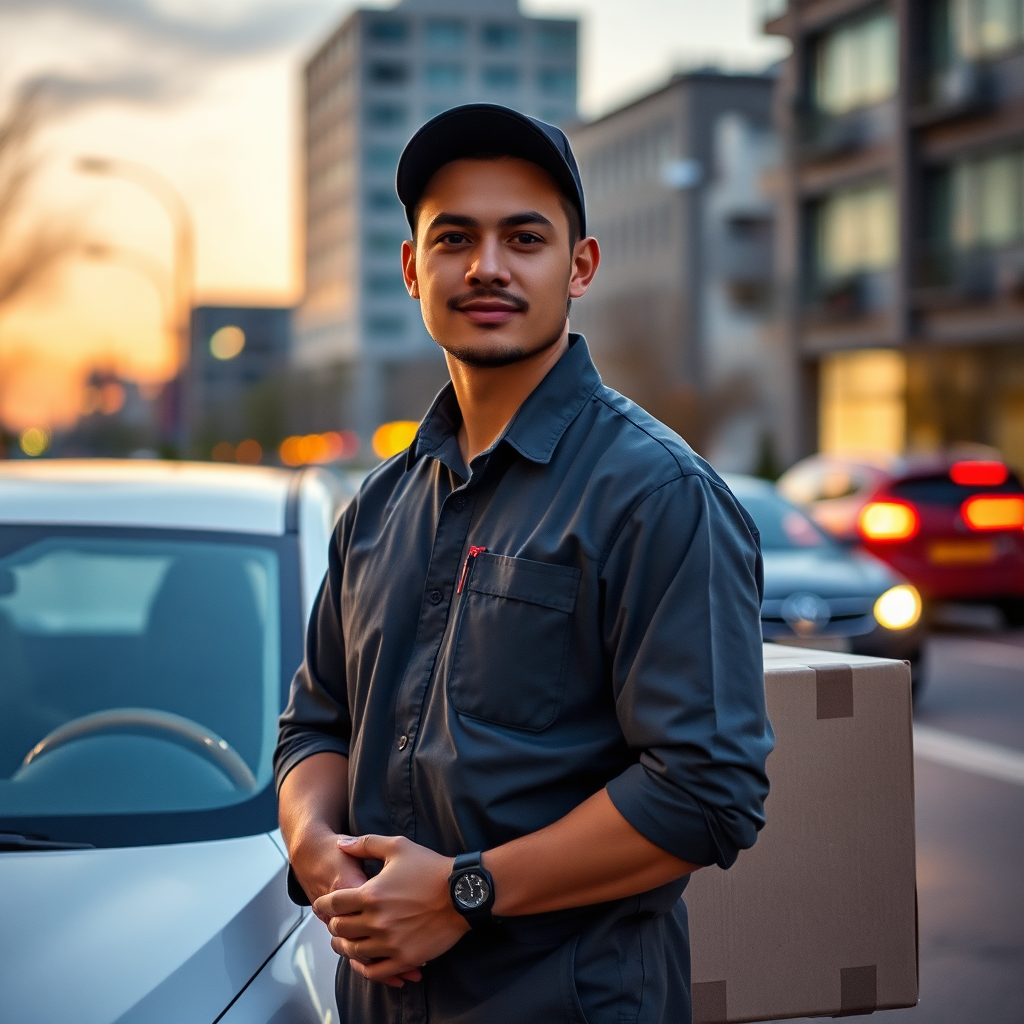
Delivery driver at dusk

Insurance Essentials for DoorDash Drivers

If you drive for DoorDash, your coverage needs go beyond what you carry in daily life. Understanding how personal policies interact with delivery work helps you avoid the “DoorDash accident no coverage” trap. The right mix of protections shields you from large out-of-pocket costs when the unexpected happens.

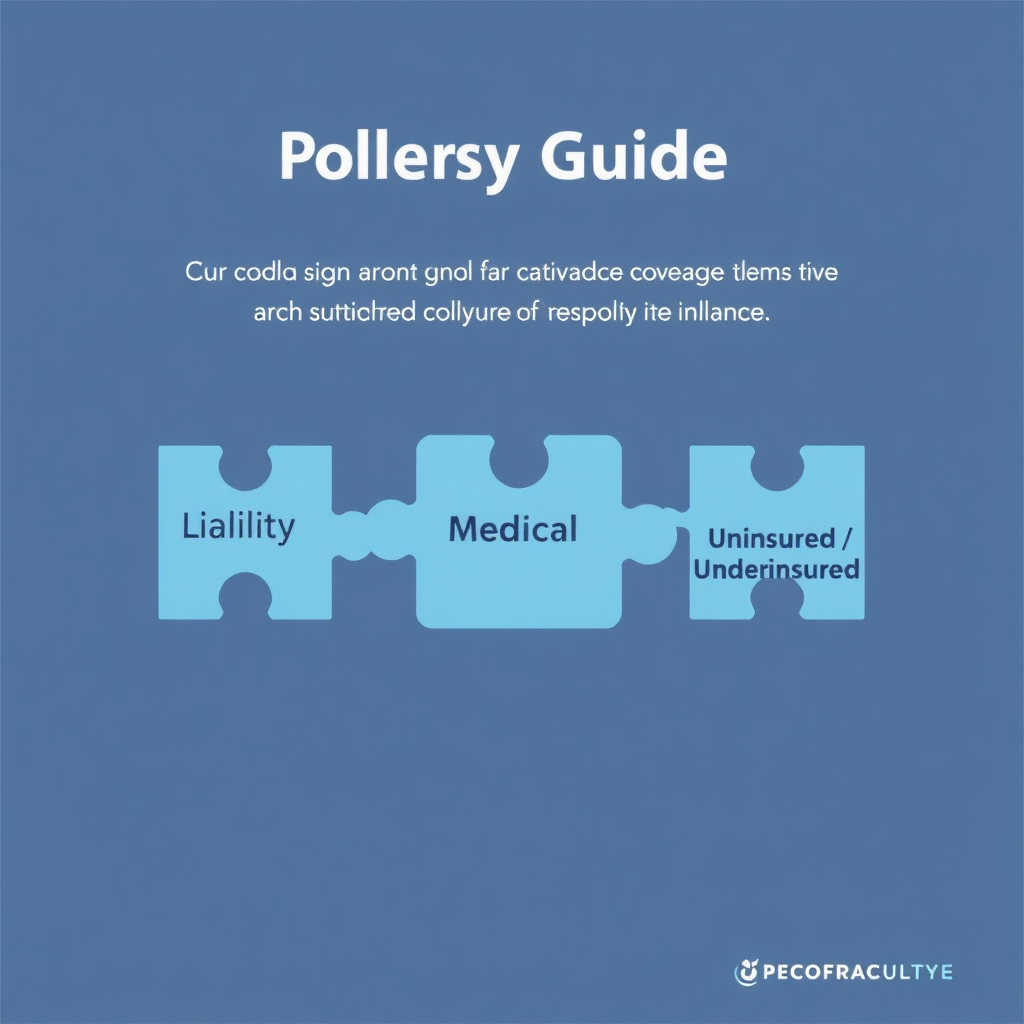
  • Liability coverage for bodily injury and property damage you cause to others. This is often the backbone of protection, but limits can still bite if you’re outside policy terms.
  • Bodily Injury per person and per accident specifics that define how much a policy will pay for injuries to others.
  • Uninsured/Underinsured Motorist protection when the other party has little or no coverage.
  • Collision and Comprehensive cover damage to your own vehicle from crashes, theft, or weather events.
  • Medical Payments or Personal Injury Protection that can cover medical costs without a long claims process.
Coverage illustration showing gaps and protection

The Delivery Driver Accident Gap

“The accident gap is real, and the clock starts the moment you crash.” Even with a solid personal policy, limits can expose you to substantial costs—especially when you’re driving for a platform that pays you by the mile.

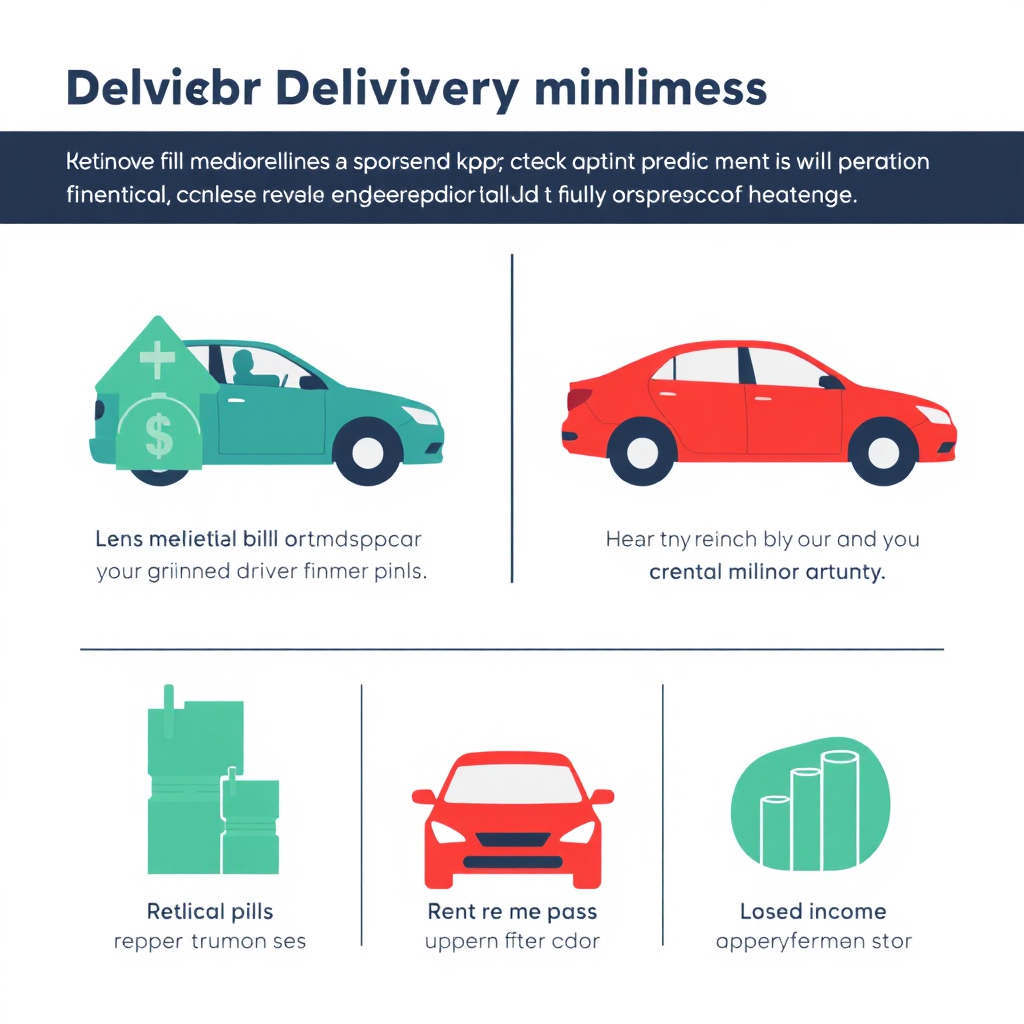
When you’re delivering for DoorDash, the line between personal and work use can blur. Insurance policies often contain exclusions or mileage-based limits for on-the-job driving. If you don’t have a plan that explicitly covers delivery activity, you may be paying out-of-pocket for medical bills, vehicle repairs, rental cars, and lost wages long after the accident.

The stakes aren’t theoretical. A serious crash can drain savings, force loan-taking, or derail plans for weeks or months. The “gap” isn’t just about who pays first; it’s about how fast you can recover, while still meeting daily responsibilities and possibly supporting dependents.

Illustration of the accident gap and costs

Real-World Scenarios

Showing potential outcomes by coverage level

No Coverage

Worst-case

No coverage scenario

Potential costs up to tens of thousands: medical bills, vehicle repair, rental car, wage loss, and legal fees if third parties pursue claims.

  • High out-of-pocket exposure
  • Limited or no coverage for work-related incidents
  • Extended recovery timeline and debt risk
Partial Coverage

Moderate protection
Partial coverage scenario

Costs may be offset by deductible limits, but gaps remain for medical expenses, lost income beyond policy limits, and non-covered damages.

  • Some costs covered, others paid by you
  • Deductibles still apply
  • Not fully protective for high-severity crashes

Full Coverage

Best-case
Full coverage scenario

Most costs covered: medical care, vehicle repair, rental car, and lost wages, with fewer out-of-pocket surprises.

  • Stronger limits and policy language tailored for delivery work
  • Lower financial stress during recovery
  • Better peace of mind for you and your family

Choosing Coverage: What to Look For

The gap between DoorDash driving and personal policy terms can be subtle. You want coverage that explicitly addresses on-the-job driving, daily ride-alongs, and the unique financial risks you face as a delivery driver.

When evaluating policies, prioritize clarity, rider options, and policy limits that reflect typical accident costs in delivery work. Look for features that extend protection during platform-driven deliveries and while you’re in-between trips.

  • Laws and riders that cover on-the-job driving and last-mile delivery, including add-ons for higher limits.
  • Policy limits that withstand serious incidents—look beyond the bare minimum.
  • Riders and endorsements for medical payments, ambulance costs, and rental car coverage.
  • Clear definitions of when coverage applies—delivery windows, hours of operation, and geographic scope.

Quick Checklist

  • Policy explicitly covers on-the-job delivery
  • Reasonable limits for medical and car costs
  • Clear rider options for rental and emergency care
  • Easy claims process and responsive support

Note: If you’re unsure, contact your insurer and ask specifically about coverage for DoorDash or other delivery platforms.

Immediate Steps After an Accident

  1. Ensure safety: move to a safe location if possible and call emergency services if anyone is injured.
  2. Exchange information: names, contact details, driver’s license, plate, insurance information, and dash-cam or app records if available.
  3. Document the scene: take photos of damages, injuries, road conditions, and any signs. Note time, location, weather, and your Dash activity.
  4. Notify the insurer: report the crash to your auto insurer as soon as practicable; if you have delivery-specific coverage, file a claim per policy terms.
  5. Seek guidance: if costs feel uncertain or unequally allocated, consult a qualified attorney or a consumer-advocacy resource to understand your rights and next steps.
Steps after an accident
Delivery Coverage Insights

Clear guidance for DoorDash drivers to understand, compare, and close the delivery accident gap.

Contact

support@example.com

Social

@DeliveryGuard