General Liability
Protects your business from third‑party claims of bodily injury, property damage, or advertising injury arising from your operations.
Learn more
A practical, no-fluff guide to the essential coverages every self-employed professional should consider. This hub breaks down General Liability, Professional Liability, Tools & Equipment, and the strategic importance of a Business Owner’s Policy (BOP). It also links to six targeted articles to deepen your understanding and help you tailor protection to your unique business.

This affiliate recommendation is especially useful for freelancers who travel or work remotely internationally. It is not a replacement for ACA marketplace coverage for those working domestically.
Affiliate disclosure: we may earn a commission
Each line item below focuses on real-world scenarios solopreneurs face. The goal is to give you practical clarity, so you can discuss limits and endorsements with your broker confidently.
Protects your business from third‑party claims of bodily injury, property damage, or advertising injury arising from your operations.
Learn more
Also known as errors & omissions insurance. Covers claims arising from professional advice or services that cause client financial loss.
Learn more
Coverage for physical tools, gear, and devices used to run your business—protects against theft, damage, or loss.
Learn more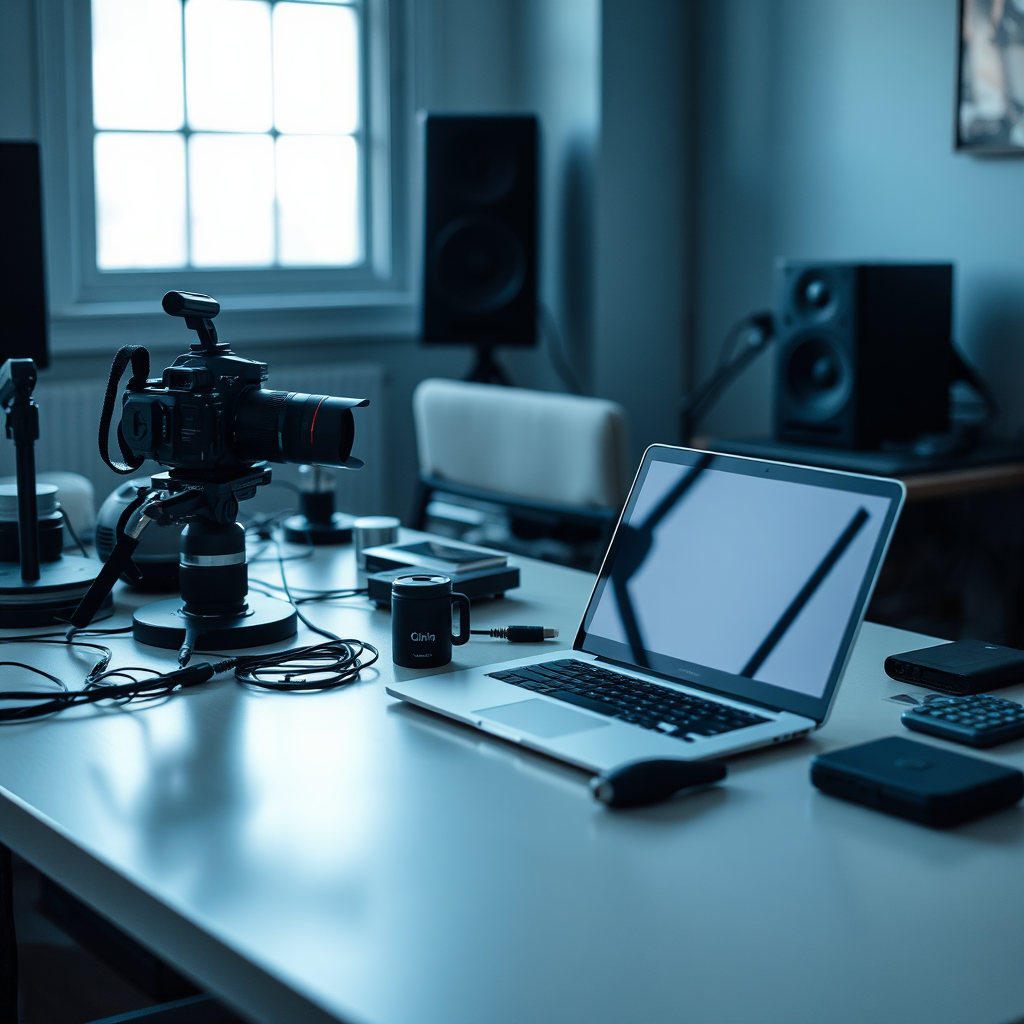
A bundled approach combining GL, property, and sometimes crime coverage—tailored to small businesses wanting streamlined protection.
Learn more
Are third parties at risk? GL covers bodily injury and property damage from your business activities, along with advertising injury.

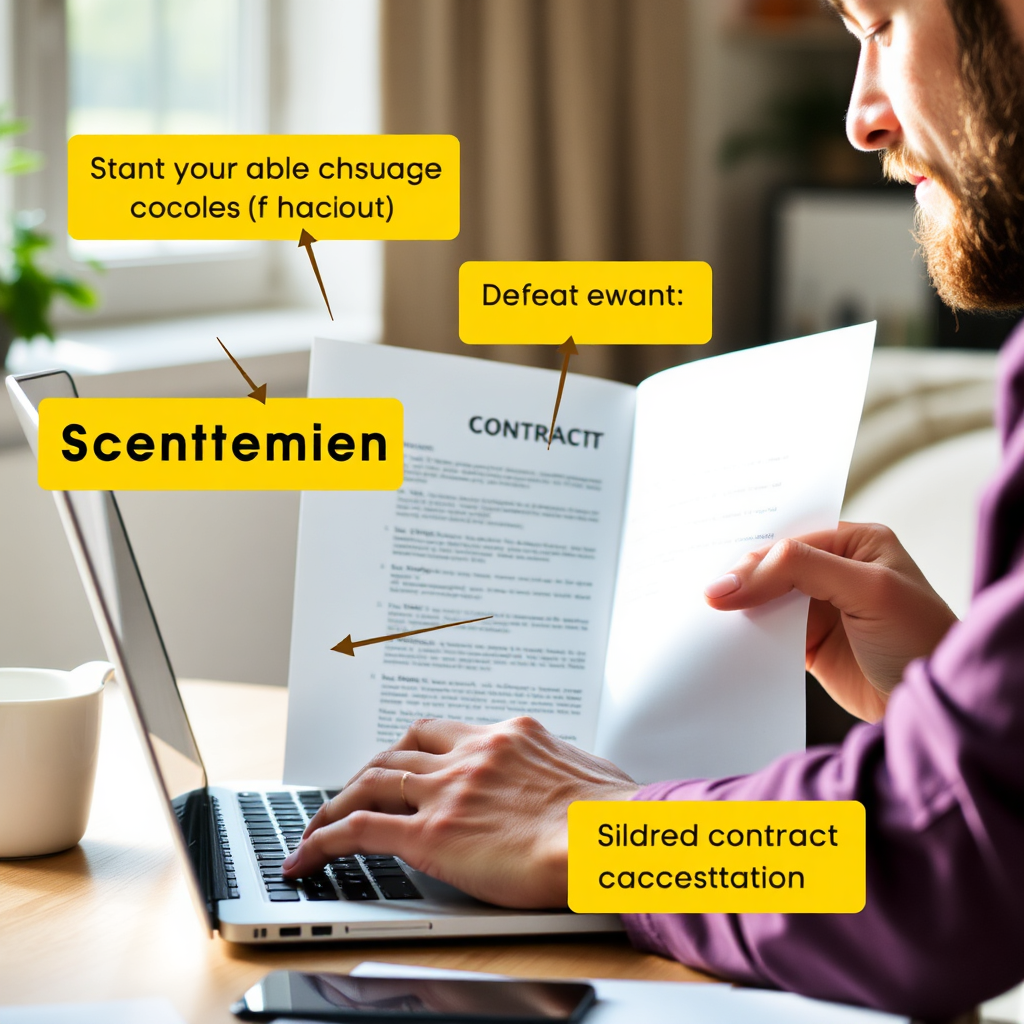
If a client claims a mistake in your service, E&O coverage can help with defense costs and settlements.
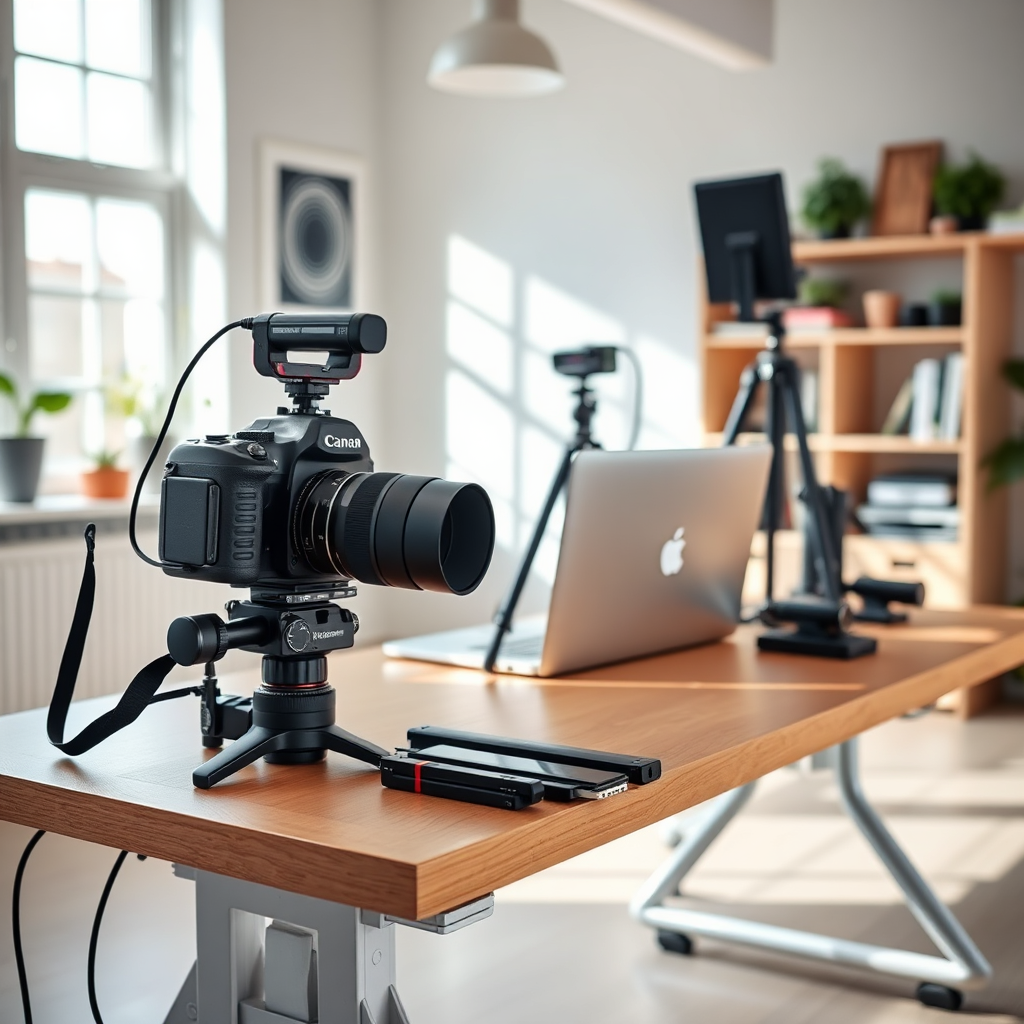
Your gear is essential to deliver work. This coverage protects items owned, rented, or used for business purposes.
A streamlined approach that bundles GL and property, offering simplicity and sometimes more favorable pricing.
A practical, step-by-step checklist to understand which coverages you likely need now, and how to plan for scale as your business grows.
Read Article
Explore common GL scenarios for freelancers, including client site visits, events, and remote work. Learn how to set appropriate limits and endorsements.
Read Article
Delve into scenarios where advice or professional services could lead to client claims and how E&O protects your practice.
Read Article
Understand how to insure tools and gear used in your daily work, including theft, loss, and accidental damage.
Read Article
A primer on how a Business Owner’s Policy bundles property coverage with GL to streamline protection and potentially save on premiums.
Read Article
A guide to reviewing policies with a broker, prioritizing endorsements, exclusions, and how to upgrade as your business evolves.
Read ArticleEven when working from a home office, clients and landlords may require you to carry coverage. General Liability protects against third-party claims arising from your business activities, including events at your home office or a client site. A tailored professional liability policy can protect you from claims related to advice or services rendered.
A Business Owner’s Policy bundles property and liability protections into one package. If you own equipment, maintain an office, or frequently meet clients, a BOP can save time and money while ensuring broad coverage. Your broker can tailor limits and endorsements to fit your workflow and risk tolerance.
Consider the size of your projects, potential exposure, and client requirements. Typical GL limits range from $1M to $2M per occurrence, with a similar aggregate. For higher-risk industries, you may need higher limits or endorsements for medical payments, completed operations, or product liability.
If you provide advice, design, or professional services, E&O (professional liability) is often essential. It protects you from claims that your services caused a client financial loss, covering defense costs and settlements up to your policy limits.
Costs depend on industry, revenue, asset value, claims history, and the coverages you choose. Bundling GL, property, and professional liability in a BOP can offer favorable pricing and simpler administration.
Answer a few quick prompts to outline your current setup and goals. We’ll suggest a practical coverage path and highlight potential gaps.
Based on your inputs, a practical baseline for many solopreneurs is GL with a moderate liability limit, plus professional liability if you provide advice or services. If you own notable equipment, consider including a property endorsement or a small BOP to bundle protections. Always discuss your business model with a licensed broker to tailor endorsements (e.g., professional services endorsements, equipment breakdown, cyber liability, or business interruption) to your risk tolerance.